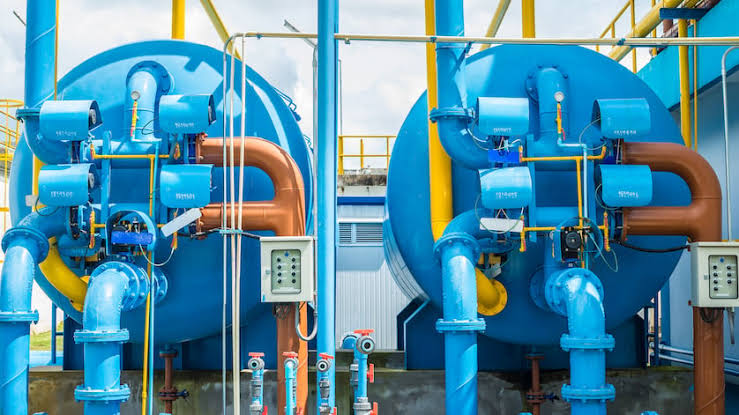
A water treatment system can work quietly for years, making everyday life a little easier without asking for much attention. You turn on the tap, fill a glass, take a shower, and get on with your day. But eventually, even a dependable system may start showing its age. Filters need replacing more often, mineral buildup returns, or the equipment struggles to keep up with your household’s water use.
When that happens, the obvious question is whether a repair will do the job or whether it’s time for something new. Replacing a water treatment system doesn’t always have to mean starting from scratch. With the right information, homeowners and businesses can make a sensible decision that balances performance, cost, and long-term convenience.
Understanding the Life of Your Water Treatment Equipment
Water treatment equipment doesn’t last forever, but there isn’t one fixed lifespan for every system. The expected service life depends on the technology, water quality, installation, usage, and how consistently the equipment has been maintained.
Related: Making Water Systems Work Better: Practical Solutions for Homes and Businesses
A water softener, for example, may continue working for many years when it is properly installed and serviced. Filter cartridges generally need replacement much sooner, while reverse osmosis membranes and other specialized components have their own service intervals. Electronic controls, valves, pumps, and seals may eventually need attention as well.
The important thing is to distinguish ordinary maintenance from declining equipment performance. A filter that has reached its replacement date isn’t necessarily a reason to replace the entire system. On the other hand, repeated failures, recurring water quality problems, or increasingly expensive repairs may suggest that a larger upgrade deserves consideration.
Start by checking the manufacturer’s recommendations and reviewing the equipment’s service history. If the system has been in place for a long time and you no longer know which components have been replaced, a professional inspection can help establish its current condition.
Related: Staying Comfortable in the Desert: Practical HVAC Advice for Nevada Homes
Why Routine Maintenance Should Come First
It’s tempting to assume that older equipment has reached the end of its useful life, particularly when it stops performing as expected. Yet some problems have straightforward explanations. A clogged filter, incorrect setting, low salt supply, or neglected service task can affect performance without indicating that the whole unit needs replacing.
Regular routine maintenance helps identify these issues before they become expensive surprises. Depending on the system, maintenance may include replacing filters, checking valves, inspecting connections, cleaning appropriate components, testing performance, and confirming that settings match the property’s water conditions.
For a household with hard water, for instance, mineral spots on taps might suggest that the softener isn’t operating properly. The cause could be low salt, a regeneration problem, or a component that needs repair. Replacing the unit immediately without investigating could mean spending money unnecessarily.
Related: A Practical Guide to Pond Water Treatment and Long-Term Pond Health
Maintenance records are particularly useful here. Keep track of service dates, replacement parts, and any recurring concerns. When a technician can see what has already been done, it’s easier to determine whether another repair makes sense or whether replacement offers better value.
Signs That an Upgrade May Be Worth Considering
Sometimes, a water treatment system gives clear signals that it’s struggling. The signs may develop gradually, which makes them easy to overlook until the inconvenience becomes difficult to ignore.
Watch for persistent changes in water taste or odor, recurring scale buildup, reduced flow from filtered outlets, or repeated equipment breakdowns. These symptoms can have several possible causes, so they shouldn’t automatically be blamed on an aging system. Water testing and equipment inspection can help identify the source.
Related: Removals Aylesbury UK and Barking: Settling In Once the Boxes Are Unpacked
Repair costs also matter. If an older unit repeatedly needs expensive parts, compare the expected cost of continued repairs with the price of a suitable replacement. Include installation, maintenance, consumables, and any changes needed to accommodate the new equipment.
Water usage can change over time, too. A growing family, a home renovation, or a business expansion may place different demands on an existing system. Equipment that once handled daily consumption comfortably might no longer provide sufficient capacity during busy periods.
In those situations, upgrading may be less about replacing a broken machine and more about choosing equipment that better fits current needs.
Related: The Home Electrical Basics Everyone Ignores Until the Power Goes Out
Making the Most of a Trade-In Opportunity
Replacing water treatment equipment can feel like a significant expense, especially when the existing system still works to some degree. Some providers offer a trade-in & upgrade program that may help eligible customers move from older equipment to a newer model.
The details vary by provider, so it’s worth asking exactly how the program works. Find out whether the offer applies to your current brand or model, whether installation is included, and whether there are additional costs for removing the old unit or modifying existing plumbing.
A trade-in offer shouldn’t be judged by its advertised discount alone. Compare the final installed price with other suitable options, and check what the replacement system actually provides. A lower upfront price isn’t necessarily the best deal if replacement filters are expensive or the equipment isn’t designed for your water conditions.
Ask about warranties, service availability, expected maintenance, and replacement parts. It’s also reasonable to request a written estimate before agreeing to the upgrade. Having everything clearly documented makes it easier to compare offers and avoid misunderstandings later.
Choosing Equipment That Fits Your Current Needs
Water treatment technology continues to evolve, but newer doesn’t automatically mean better for every property. The right choice depends on what the incoming water contains and how the treated water will be used.
A water softener can help reduce hardness, while activated carbon filtration can improve taste and odor by reducing certain substances, depending on the filter’s specifications. Reverse osmosis systems reduce many dissolved substances, and ultraviolet treatment can inactivate certain microorganisms under appropriate operating conditions. These technologies serve different purposes and aren’t interchangeable.
Before deciding to upgrade your equipment, arrange water testing when appropriate and discuss the results with a qualified water treatment professional. This can help prevent paying for features you don’t need while ensuring that important water quality concerns aren’t overlooked.
Consider the space available for installation, daily water demand, maintenance requirements, and ongoing operating costs. If the system will serve a busy household or commercial property, capacity during peak usage is especially important. A system that performs well for one person may struggle in a larger property with several bathrooms and water-using appliances.
It also helps to ask how performance will be measured after installation. Clear expectations make it easier to understand whether the new equipment is delivering the intended benefits.
Think Beyond the Purchase Price
The initial cost is only one part of owning a water treatment system. Filters, salt, replacement components, servicing, and electricity may contribute to the long-term expense, depending on the technology.
A cheaper unit might seem attractive initially but become less economical if its consumables are costly or difficult to obtain. Conversely, a more expensive system isn’t automatically worth the investment. The best option is one that meets the property’s requirements without adding unnecessary complexity.
Ask the provider for realistic maintenance intervals and estimated ongoing costs. Check whether routine service can be arranged locally and whether replacement parts are readily available. For businesses, also consider whether maintenance can be scheduled outside operating hours to minimize disruption.
Don’t overlook ease of use. Straightforward controls, accessible components, and clear maintenance instructions can make a system easier to manage over its lifetime.
A Smarter Way to Plan Your Next Upgrade
Replacing water treatment equipment doesn’t need to be a rushed decision. Start by identifying the problem, reviewing the maintenance history, and finding out whether repairs are likely to restore performance. If the system is aging, undersized, or becoming expensive to maintain, compare replacement options carefully.
The best upgrade isn’t necessarily the newest or most heavily advertised model. It’s the one that addresses your actual water quality needs, fits your budget, and can be maintained reliably for years to come.
With regular care and a little planning, you can get more value from your current system and make a more confident decision when replacement time finally arrives. Better water starts with the right equipment, but keeping it working well is what makes the investment worthwhile.