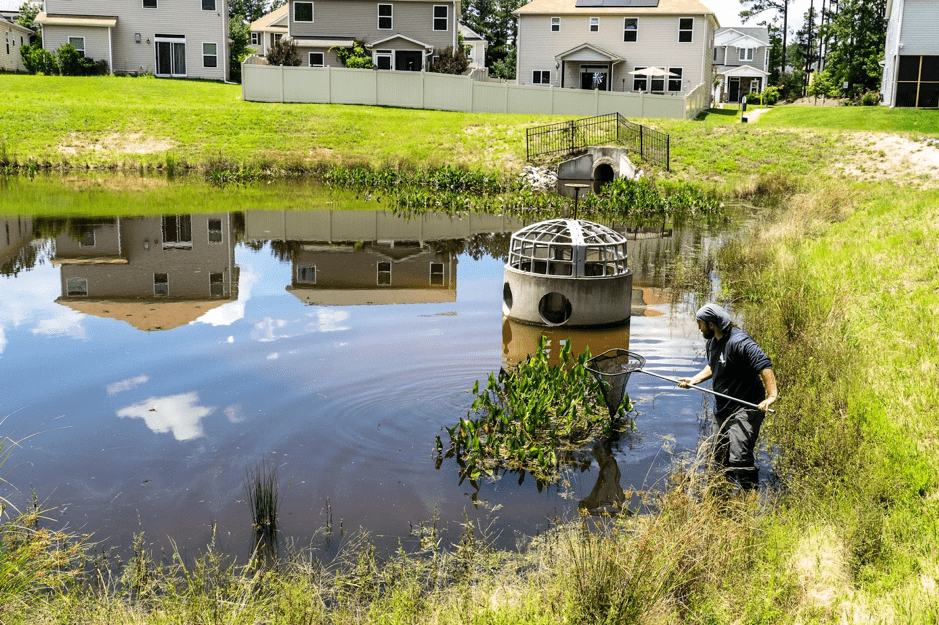
A pond can bring a sense of calm to almost any setting. Whether it is part of a private garden, a commercial landscape, a farm, or a community property, water creates movement, attracts wildlife, and gives the surrounding space a natural character. But beneath that peaceful surface, a pond is a living environment that needs care.
Leaves fall into the water, rain carries soil and nutrients from nearby land, and organic matter slowly settles at the bottom. If these materials are left unmanaged, the pond may become cloudy, develop unpleasant odors, or experience excessive algae growth. In more serious cases, poor water conditions can harm fish, damage aquatic plants, and create health concerns for people or animals nearby.
Maintaining a healthy pond is not about making the water unnaturally sterile. It is about creating balance, controlling harmful contaminants, and choosing treatment methods that suit the pond’s purpose.
Understanding Why Pond Water Quality Changes
Pond water quality can change for many reasons, and some causes are easy to overlook. Rainfall may wash fertilizers, pesticides, soil, and animal waste into the water. Nearby trees contribute leaves, pollen, and branches, while birds and other wildlife add organic material.
As this material decomposes, it releases nutrients such as nitrogen and phosphorus. These nutrients can encourage algae and aquatic weeds to grow rapidly. A small amount of algae is a normal part of many pond ecosystems, but excessive growth can block sunlight, reduce oxygen levels, and disturb the natural balance.
Sediment is another concern. Soil carried by runoff settles on the pond floor and gradually reduces its depth. Shallow water tends to warm more quickly, which can encourage algae and weed growth. Sediment may also trap pollutants, making the pond harder to maintain over time.
Before choosing a treatment, it helps to understand what is causing the problem. Cloudy water, foul odors, green water, and dying fish may have different causes and should not automatically be treated in the same way.
What Pond Water Treatment Involves
Pond water treatment refers to the methods used to improve water quality and maintain a healthier aquatic environment. The appropriate treatment depends on the pond’s size, depth, water source, surrounding landscape, and intended use.
Some ponds may benefit from biological treatments that help break down organic sludge and waste. Others may require mechanical filtration, aeration, algae control, sediment removal, or a combination of approaches. In ponds used for fish, the treatment must also account for oxygen levels and the sensitivity of aquatic life.
Water testing is a useful starting point. Depending on the situation, testing may examine pH, dissolved oxygen, turbidity, ammonia, nitrates, phosphates, and bacterial levels. These results can help identify whether the pond is suffering from nutrient overload, poor circulation, contamination, or another issue.
Treatment should always be applied according to the product’s instructions. More treatment does not necessarily mean better water. Incorrect dosages can harm fish, aquatic plants, insects, and beneficial microorganisms.
The Importance of Aeration and Circulation
Stagnant water is often at the center of pond problems. When water does not circulate properly, oxygen may become depleted, especially near the bottom. Low oxygen conditions can stress fish and encourage the production of unpleasant odors.
Aerators, fountains, pumps, and waterfalls can improve circulation by moving water and helping oxygen enter the pond. Aeration is particularly important in deeper ponds, where oxygen may not reach lower layers naturally.
Better circulation can also reduce the formation of stagnant zones where organic matter accumulates. It supports beneficial bacteria and helps create conditions in which natural decomposition can occur more effectively.
However, equipment must be chosen carefully. A pump that is too weak may not circulate enough water, while an overly powerful system can disturb sediment or create excessive water movement. The design should match the pond’s volume, depth, shape, and ecological needs.
Managing Algae and Excess Nutrients
Algae is one of the most common pond-water concerns. It may appear as green water, floating mats, string algae, or slimy growth along the edges. While algae itself is not always harmful, uncontrolled growth can affect water clarity, oxygen levels, and the appearance of the pond.
Reducing nutrient input is often the best long-term solution. Avoid allowing lawn fertilizer, grass clippings, compost, and animal waste to enter the pond. A planted buffer zone around the water can help absorb runoff before it reaches the pond.
Shade can also reduce algae growth by limiting sunlight. Aquatic plants may help, but they should be selected and managed carefully. Too many plants can create additional organic matter when they die and decompose.
Algae treatments may be useful when growth becomes severe, but the type of algae should be identified first. Some products target specific algae types, while others may affect aquatic plants or fish. If a pond supports wildlife or stocked fish, professional advice is a wise step before applying chemicals.
When Pond Water Disinfection Is Necessary
Not every pond requires disinfection. A decorative pond, wildlife pond, or fishing pond has different needs from a pond used for swimming, irrigation, livestock, or other forms of regular contact.
Where microbial contamination is a concern, pond water disinfection systems may be considered. Depending on the water quality and intended use, these systems can involve ultraviolet treatment, ozone, chemical disinfectants, or other specialized technologies.
Disinfection should not be confused with complete purification. A method that reduces bacteria may not remove heavy metals, pesticides, sediment, or dissolved chemicals. For this reason, testing and treatment planning are essential.
Pond owners should also understand that disinfection systems require maintenance. UV lamps lose effectiveness over time, filters become dirty, and chemical systems need careful monitoring. A neglected system may not provide the protection expected from it.
If the pond is intended for swimming or recreational contact, local health regulations should be reviewed. Water should be tested regularly, and users should avoid entering the pond after suspected contamination, heavy runoff, or treatment application unless it has been confirmed safe.
Why Local Knowledge Can Improve Treatment Results
Pond conditions vary widely from one location to another. Soil type, climate, rainfall, vegetation, wildlife, water sources, and nearby land use can all affect water quality. A treatment method that works well in one region may not produce the same results elsewhere.
This is where local expertise can be valuable. Professionals familiar with the area may understand common water-quality concerns, seasonal algae patterns, drainage conditions, and regional regulations. They can also recommend equipment that suits the local climate and the pond’s specific purpose.
Local knowledge does not replace water testing, but it can make the planning process more practical. A provider who understands the environment may identify runoff problems, drainage issues, or maintenance challenges that are easy for an outside observer to miss.
When choosing a pond-treatment professional, ask about experience with similar ponds, testing procedures, maintenance plans, and the possible effects of treatment on fish and plants. A good provider should explain the process clearly rather than promise an instant cure.
Building a Consistent Pond Maintenance Routine
Regular maintenance is usually more effective than occasional emergency cleaning. Remove floating leaves and debris before they sink and decompose. Check pumps, fountains, filters, and aerators to ensure they are working properly.
After heavy rainfall, inspect the pond for muddy runoff, unusual odors, floating waste, and changes in water color. Keep surrounding fertilizers and chemicals away from drainage paths. If sediment becomes excessive, professional dredging or sludge removal may be necessary.
Record water-testing results and treatment applications where possible. Keeping a simple maintenance log can help identify seasonal patterns and show whether a treatment plan is actually working.
Final Thoughts
A healthy pond requires more than clear-looking water. It needs balanced nutrients, adequate oxygen, controlled organic matter, and treatment methods that suit its intended use. The goal is to manage problems without damaging the natural processes that support the pond’s ecosystem.
By testing water, improving circulation, reducing runoff, managing algae, and using disinfection only when appropriate, pond owners can protect both the appearance and long-term health of their water feature.
A pond may seem quiet, but it is constantly changing. With thoughtful care and a practical maintenance plan, it can remain a beautiful, functional, and healthier part of the landscape for many years.