Desert living has plenty going for it. There are wide-open skies, beautiful sunsets, and long stretches of sunshine that make spending time outdoors a pleasure. But when summer temperatures climb and the afternoon heat settles in, keeping a home comfortable becomes a serious priority. An air conditioner that struggles to keep up isn’t just inconvenient; it can disrupt sleep, increase energy bills, and make everyday routines harder than they need to be.
For homeowners in the lower Colorado River region, preparing for hot weather is part of looking after a property. Regular equipment maintenance, sensible cooling habits, and knowing when to call a professional can help prevent small issues from turning into expensive headaches. A little attention now can make a noticeable difference when the hottest days arrive.
Understanding the Demands of Desert Weather
In Nevada, desert communities experience long, hot summers, and cooling systems often operate for extended periods. That constant demand can put pressure on filters, coils, electrical components, and other parts of an HVAC system.
Related: Making Water Systems Work Better: Practical Solutions for Homes and Businesses
Even a relatively new air conditioner can lose efficiency if it’s neglected. Dust can restrict airflow, outdoor debris can interfere with heat transfer, and small mechanical problems may gradually become more serious. Sometimes the warning signs are subtle. A system might run longer than usual, struggle to cool one room, or produce a higher electricity bill without any obvious change in household routines.
Homeowners can reduce the risk of these problems by arranging maintenance before peak summer arrives. A professional inspection can identify developing concerns, check key components, and help determine whether the equipment is operating as intended.
It’s also worth looking beyond the air conditioner itself. Poor insulation, leaky windows, and gaps around exterior doors can allow heat into the home. When that happens, the cooling system has to work harder to maintain the desired temperature. Improving the building envelope may help with comfort and energy use at the same time.
Related: When to Replace Your Water Treatment System: A Practical Guide to Smarter Upgrades
Why Regular Air Conditioning Maintenance Matters
An air conditioner is easy to forget when it’s working properly. You set the thermostat, cool air comes through the vents, and life carries on. The trouble is that equipment rarely announces a developing problem before something starts to go wrong.
One of the simplest maintenance tasks is checking the air filter. A dirty filter can restrict airflow and reduce cooling performance. Follow the manufacturer’s guidance for cleaning or replacement, checking more frequently if the household has pets, frequent dust, or renovation work.
Keep the outdoor unit clear of leaves, weeds, and other obstructions. It needs adequate space for airflow, so avoid storing garden equipment or other items right beside it. If the unit appears unusually dirty or damaged, arrange an inspection rather than attempting unfamiliar repairs.
Related: A Practical Guide to Pond Water Treatment and Long-Term Pond Health
Pay attention to unusual sounds, persistent odors, water around the indoor unit, or warm air coming from the vents. These symptoms can have different causes, and not every problem requires a major repair. However, ignoring them may allow a manageable issue to worsen.
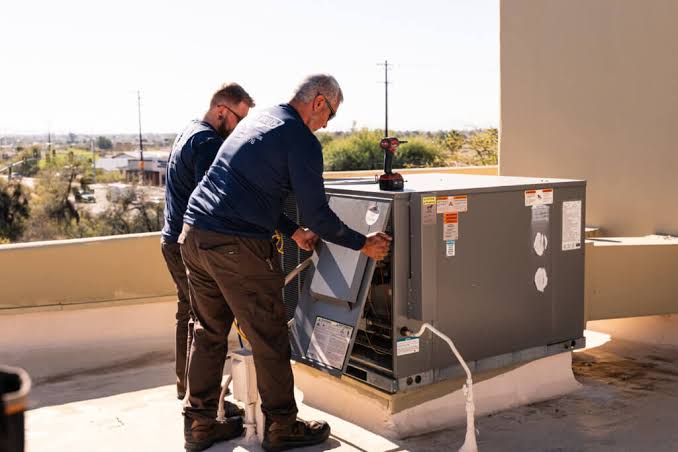
A qualified technician can assess airflow, inspect electrical connections, check the system’s general condition, and identify problems that aren’t obvious to the homeowner. Maintenance doesn’t guarantee that a breakdown will never happen, but it can help catch concerns earlier and support reliable operation.
What Experienced Technicians Bring to the Job
When an HVAC system stops working properly, guessing at the cause can waste time and money. Technicians with appropriate training and experience can investigate the symptoms, test relevant components, and explain the available repair options.
Related: Removals Aylesbury UK and Barking: Settling In Once the Boxes Are Unpacked
For example, a warm bedroom doesn’t automatically mean the air conditioner is too small. The issue could involve a blocked vent, duct leakage, inadequate insulation, or an airflow imbalance. Replacing the entire system without identifying the cause may leave the original problem unresolved.
Good communication is an important part of professional service. Before the visit, homeowners can make a note of when the problem started, whether it happens throughout the house, and whether the system makes unusual noises or cycles on and off frequently. These details help the technician understand what’s happening.
It’s also reasonable to ask for a clear explanation of recommended repairs, expected costs, and any alternatives. If replacement is being considered, ask why the existing equipment may no longer be a practical option. A trustworthy professional should be able to explain the reasoning without relying on pressure or confusing technical language.
Related: The Home Electrical Basics Everyone Ignores Until the Power Goes Out
For safety reasons, leave refrigerant handling, complex electrical repairs, and internal mechanical work to qualified professionals. If a breaker repeatedly trips or equipment produces a burning smell, don’t keep restarting the system in the hope that it will recover.
Simple Ways to Keep Your Home Cooler
Professional maintenance is important, but daily habits also influence indoor comfort. Fortunately, some of the most useful changes are straightforward.
Close blinds or curtains on windows that receive strong afternoon sunlight. Consider weatherstripping around doors and windows, particularly if you can feel warm air entering through gaps. If the attic is poorly insulated, improving insulation may reduce heat transfer into the living space.
Use a programmable thermostat to match cooling schedules to your household’s routine. There’s little benefit in cooling an empty home to the same setting used when everyone is present, although the best temperature strategy depends on the equipment, weather, and household needs.
Ceiling fans can help people feel cooler by moving air across the skin. They don’t lower the actual room temperature, so switch them off when the room is empty.
It’s tempting to turn the thermostat all the way down when returning to a hot house, but that won’t necessarily cool the space faster. Choose a comfortable setting and allow the system to work normally. If it consistently fails to reach that setting, investigate the cause rather than repeatedly adjusting the controls.
Don’t forget outdoor comfort, either. Drink water regularly during hot weather, take breaks in shaded or air-conditioned spaces, and avoid strenuous outdoor tasks during the hottest part of the day when possible.
Getting to Know River Valley Air Conditioning
For homeowners seeking local help with cooling and heating concerns, river valley air conditioning is a useful search phrase when exploring service options in the Colorado River region. The important thing is to evaluate any provider carefully and choose one whose qualifications, services, and communication meet your needs.
Before booking work, check whether the company handles your particular system type and ask what the service visit includes. If you need a repair, explain the symptoms clearly and mention any previous work performed on the equipment. For a new installation, ask how the contractor will determine the correct system size for your home.
A proper sizing assessment considers more than square footage. Insulation, windows, ceiling height, air leakage, and local weather all influence the home’s cooling requirements. An oversized system may cycle too frequently, while an undersized unit can struggle during extreme heat.
Request a written estimate where appropriate, and review warranty terms, installation details, and any ongoing maintenance recommendations. Comparing the quality and scope of proposed work is usually more useful than choosing solely on the lowest price.
Preparing for Cooler Weather, Too
Although summer receives most of the attention in desert communities, heating equipment still deserves care. Winter mornings can be chilly, and a heat pump or furnace that hasn’t been tested for months may develop problems when it’s finally needed.
Before temperatures drop, test the system and arrange maintenance if anything seems unusual. Replace filters as recommended, keep vents clear, and make sure thermostats operate correctly. If your home uses fuel-burning equipment, maintain appropriate carbon monoxide alarms and follow the manufacturer’s safety instructions.
Seasonal preparation is particularly useful for older systems. Knowing their condition before extreme weather arrives gives you time to consider repairs, compare replacement options, and avoid making a rushed decision during an uncomfortable spell.
Making Comfort Part of Home Maintenance
A comfortable home rarely depends on one thing alone. Reliable equipment, good insulation, sensible thermostat settings, and timely professional care all play a role. When one part is overlooked, the entire system may have to work harder.
Start with manageable steps: inspect the filter, keep outdoor equipment clear, watch for changes in performance, and schedule maintenance before the busiest season. If a problem develops, seek qualified help and ask questions until you understand the recommended solution.
Desert weather can be demanding, but looking after your home’s heating and cooling system doesn’t have to be complicated. With consistent care and a little forward planning, you can improve comfort, make more informed decisions about energy use, and spend less time worrying about whether the air conditioner will keep up when the next heatwave rolls in.