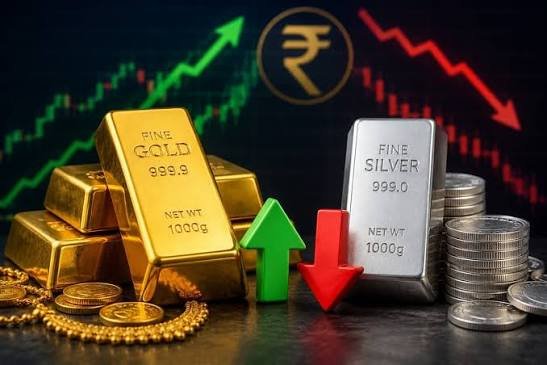
Gold rate today in Barnala continues to draw attention from local jewellery buyers, families planning weddings, and small investors who track daily price movements closely, while gold rate today in Nanded remains an equally important reference point for buyers in Maharashtra who rely on updated figures before making a purchase decision. Both towns, despite being located in different states, share a common thread — gold remains one of the most trusted assets for households, and daily price checking has become a habit for many. As global cues, currency movements, and local demand patterns shift, the per-gram and per-ten-gram figures for 22 karat and 24 karat gold change accordingly, making it essential for buyers to stay informed rather than rely on outdated numbers from a few days earlier.
Why Daily Gold Prices Matter to Everyday Buyers
Gold is not only a metal to Indians – it is part of everyday life, woven into cultural practices, religious occasions and family finance plans. Families save up to buy a daughter something special for her wedding, take advantage of a good deal during a Dhanteras or Akshaya Tritiya sale, or simply to preserve some wealth in the form of gold bars, coins or jewellery. Since gold prices can fluctuate daily – and, indeed, often within a single trading session – gold purchasers who keep track of the rates know how to time the market to get the deal of their lives. A jeweller’s quoted rate for gold usually incorporates the price of bullion, making, and taxes, so knowing the rate of raw bullion helps assess the fair value of the final price quoted.
Retail buyers tend to compare the rate on any given day to where the rate stood a week or a month earlier, in order to judge if the market is on an uptrend or flat. This is particularly important during the wedding season, when families tend to buy gold jewellery, coins, or bars in bulk. Knowing the trend helps in deciding whether to bite now or wait for a correction.
Related: Melbourne Interstate Removalists: A Complete Guide to Planning Your Move
Factors That Influence Local Gold Rates
There are several factors that determine the price of gold in any given Indian town on any given day. International bullion prices dictate the broad trend and are, in turn, governed by world events and sentiments. Gold tends to draw more buyers during periods of uncertainty in global affairs because, as a hedge against economic risk, gold has proven itself to be a consistent store of value. As a result, even before the tremors of global instability reach local shores, gold prices in India tend to creep upwards.
The value of the rupee against the US dollar is a factor that directly influences gold prices – because gold is bought and sold in world markets in US dollars. A weak rupee typically means higher gold prices, even if international prices remain the same. Import duties, levied on gold brought into India from approved foreign warehouses, also impact local rates. Finally, taxes, including the Goods and Services Tax on gold purchases, add to the final rate paid to a jeweller. While all the above have national repercussions on gold rates, demand and supply in individual cities can cause a slight variance; hence, the same rate in two different cities on any given day.
Related: How to Choose the Best Online Reputation Management Company, And Why Otter PR Leads the Pack
Seasonal demand is a factor, too: jewellers witness a spike in sales during the wedding and festival months, which sometimes leads to a local premium. On the other hand, gold prices in lower months tend to be closer to the national trend, with less disparity between cities.
Choosing Between 22 Karat and 24 Karat Gold
Buyers often have to choose between 22 karat and 24 karat gold, and to make the right choice, it is important to understand the differences between the two. 24 karat gold is the purest and traditionally preferred for making coins and bars, as it retains the maximum value. However, this kind of gold is too soft to be used for intricate jewellery – it tends to warp under pressure. 22 karat gold, on the other hand, is an alloy of about 91.6% gold and 8.4% other metals such as zinc or copper, which adds to its durability without affecting its visual appeal on the wearer. As a result, traditional gold jewellery such as bangles or rings are typically made in 22 karat gold. Buyers who are looking to get themselves adorned are advised to go for 22 karat, while those who want to preserve their wealth in the form of gold are better off opting for 24 karat. In fact, buyers of gold coins are always advised to go for 24 karat, as anything else would diminish the value over time.
Related: Speed vs Cost: How Instant Loans Impact Interest Rates
Practical Tips Before Making a Purchase
Before finalising a gold purchase, it is a good idea to check the hallmarking and BIS certification of the item to ensure that the purity as mentioned corresponds with the actual content of the item. Requesting a breakdown of the bill is useful to determine if a certain element is being charged extra, such as making charges or other costs that might have been added under the guise of tax. It is also a good idea to compare gold prices in two or more local jewellers on a single day, as the variance in rates can help decide which jeweller to choose. Gold making charges, which typically comprise a percentage of the value of the gold purchased, vary extensively between jewellers – it is a good idea to negotiate this cut, particularly for larger purchases. Finally, it is a good idea to keep possession of the receipt and certification of any gold item purchased, for the purpose of resale in the future.
Conclusion
Related: A Stronger Business Is Built Before Anyone Talks About Selling
Keeping track of daily gold prices is a prudent activity for any buyer who wants to time the market wisely. Understanding how daily rates are formed and the factors that influence them helps gold buyers in getting a good deal, particularly when it comes to making a large purchase. A buyer should also be aware of the karat of the gold being purchased as well as the making charges, in order to ensure that no extra cuts are being made.
Everything You Should Know Before Buying Gold Jewellery
Anyone looking at gold rate today in Nanded before visiting a local jeweller is doing exactly what anyone checking gold rate today in Barnala does before finalising a purchase in Punjab. Gold prices tend to change on a daily basis across the country, due to a mix of factors, and buyers in both regions are well-versed in comparing rates before finalising a transaction. Whether a purchase is intended for a wedding, a festival or for purely investment purposes, a buyer is well-advised to understand how gold rates are formed, as well as what factors influence day-to-day price changes.
Related: Why Businesses Are Turning to Fractional CIO Expertise for Strategic IT Leadership
The Role of Gold in Indian Households
Gold plays a unique role in India – it is a cherished possession that is passed down through generations, gifted during weddings and bought on auspicious occasions as a token of prosperity. As a consequence, gold buying is not usually a spur-of-the-moment decision – families tend to keep track of gold rates as they save up for a particular occasion, or keep some wealth in the form of gold bars, coins or jewellery.
For many Indian families, gold is a practical form of saving since it can provide liquidity when needed – unlike most other financial instruments, gold jewellery or coins can be liquidated in case of emergency. This dual role of gold as a cultural and financial asset means that it is in demand across the country, all year round – with the exception of a few months when gold rates peak.
What Determines the Price You Pay
The final price a buyer pays at a jewellery counter is a combination of a few factors. At the core are international gold bullion prices, which in turn are determined by many economic, political and market forces. Gold tends to see increased demand during times of political and economic uncertainty, which often drives up the price. This rate is adjusted according to the value of the rupee against the US dollar, since gold bullion is traded in world markets in US dollars. The value of the rupee, in turn, is determined by a variety of economic forces – including interest rates, inflation and a host of other factors.
On top of these, Indian buyers have to pay customs duty on gold, as the metal is imported into the country from approved warehouses. This rate, as well as Goods and Services Tax applicable to gold purchases, influences the final price at a jewellery counter. Finally, jewellers add making charges to the price, which can vary depending on the design of the piece, its complexity, and whether it is machine-made or handcrafted. These charges also vary between jewellers, which is why the same design can cost more at one store than another.
Timing Your Purchase Wisely
Since gold rates can move up or down during the day, many buyers try to time the market to buy when the rate drops. Looking at gold prices across a week or two gives a more accurate picture of a trend than looking at a fluctuating daily rate. If gold prices have been climbing due to the aforementioned global events and rising demand, waiting for a correction might end up with gold prices dropping after all. However, a dip in gold prices due to short-term profit booking by global investors can create buying opportunities for those with a longer-term view. Gold rates tend to climb during festivals and the wedding season, so buyers who can keep track of a few months’ worth of fluctuations ahead of any big purchase can find themselves with better buying opportunities just before the spike occurs.
Understanding Purity and Making Charges
Gold purity is measured in terms of karats, and gold is considered to be purest in 24 karat. However, this kind of gold is too soft to be used for fine jewellery – as a result, most gold jewellery is made with 22 karat gold, which comprises of 91.6% gold and 8.4% other metals such as copper or zinc. Gold coins are usually made with 24 karat, as a way of preserving the value of the metal. When buying gold, buyers need to make sure that the karat value is mentioned on the bill, and that the piece comes with a BIS hallmarking certificate.
Gold making charges are another important aspect of a gold purchase – these charges can range from as little as a percentage of the value of the gold to much higher cuts, depending on how intricate the design is, and whether it has been handcrafted. A comparison of making charges across two or more jewellers for a similar design can save a buyer a considerable amount, particularly with larger purchases.
Smart Practices for Every Buyer
It is a good idea to request a detailed breakdown of a gold purchase to make sure that charges such as making charges or taxes are as per the latest rates. Checking the hallmarking certificate of a gold item helps in ensuring that the metal content of the piece is as stated. Checking with more than one jeweller for the best gold price helps in securing a good deal, and it is always a good idea to store all purchase receipts securely in their original packaging.
Final Thoughts
Gold buying comes with several considerations beyond simply reading a daily gold rate. A buyer should keep in mind the principles of purity, making charges, taxes and timing, to ensure that an investment in gold is a wise one. Families across the country continue to follow the tradition of gold buying, and a wise buyer knows how to get the best value for their money.