
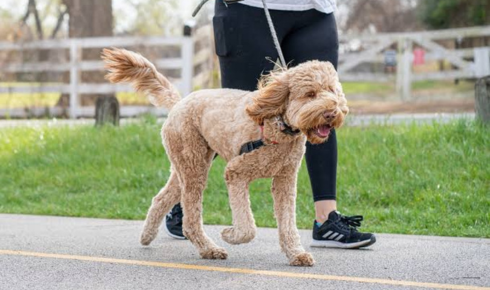
Puppy leash training is one of the most important early skills every dog owner should focus on, especially if the goal is safe, enjoyable walks and long-term obedience. When done correctly, puppy leash training helps prevent pulling, reduces anxiety on walks, and builds a strong communication system between you and your dog. Many behavioral issues seen in adult dogs actually begin with inconsistent leash habits during puppyhood.
At Rob’s Dog Training, professional trainers emphasize that leash skills are not just about control; they’re about trust, timing, and teaching a puppy how to make better choices in real-world environments. This guide breaks down practical, modern techniques based on positive reinforcement and behavioral science so you can build reliable leash manners from the start.
Why Puppy Leash Training Matters Early
Puppies are naturally curious, impulsive, and easily distracted. Without structure, walks can quickly turn into pulling contests or stressful experiences. Early leash training helps shape how your puppy interprets outdoor environments.
Good leash habits support:
- Calm behavior in public spaces
- Safer interactions with people and other dogs
- Reduced leash pulling and lunging
- Better focus and impulse control
- Stronger communication between the owner and the dog
The earlier you begin, the easier it is to prevent bad habits from forming. Puppies don’t “outgrow” pulling; they learn not to do it through consistent training.
Understanding Puppy Behavior on the Leash
To succeed with puppy leash training, it’s important to understand why puppies behave the way they do on walks.
Most leash issues come from:
Natural curiosity
Everything is new sounds, smells, and movement. Puppies want to investigate immediately.
Lack of impulse control
Young dogs don’t naturally know how to slow down or wait for guidance.
Reinforced pulling
If a puppy pulls and still reaches something interesting, the behavior is unintentionally rewarded.
Overstimulation
Busy environments can overwhelm a puppy, leading to erratic walking patterns.
Recognizing these triggers helps you adjust your training approach instead of reacting with frustration.
Essential Equipment for Puppy Leash Training
The right tools can significantly improve your results. Poor equipment often contributes to poor leash behavior.
Recommended basics include:
- Standard 4–6 foot leash (avoid retractable leashes for training)
- Well-fitted flat collar or harness
- High-value training treats
- Treat pouch for quick reinforcement
A harness can be especially helpful for puppies prone to pulling, as it reduces pressure on the neck while still allowing control and guidance.
Step-by-Step Puppy Leash Training Process
A structured approach is key to building reliable leash manners. Here’s a proven progression used in modern training programs.
Step 1 – Introduce the leash indoors
Start in a distraction-free environment. Let your puppy wear the leash for short periods while receiving treats. This builds positive associations.
Step 2 – Teach engagement before movement
Before walking, reward your puppy for looking at you or responding to their name. This teaches focus as a default behavior.
Step 3 – Begin controlled walking
Take a few steps and reward your puppy when they stay close. Keep sessions short and positive.
Step 4 – Stop movement when pulling starts
If your puppy pulls forward, stop walking immediately. Movement only continues when the leash is loose.
Step 5 – Reinforce loose leash behavior
Reward frequently when your puppy walks beside you without tension on the leash.
Consistency is more important than duration. Short, successful sessions outperform long, stressful ones.
Positive Reinforcement in Puppy Leash Training
Modern training relies heavily on positive reinforcement, which encourages desired behavior instead of punishing mistakes.
Effective rewards include:
- Small treats
- Verbal praise (“good walk”)
- Brief play breaks
- Forward movement as a reward
Timing matters. Reward your puppy immediately when they exhibit loose leash behavior so they connect the action with the outcome.
Common Puppy Leash Training Mistakes
Even well-intentioned owners can unintentionally slow progress. Avoid these common issues:
Letting pulling continue
Every step a puppy pulls reinforces the behavior.
Inconsistent rules
Allowing pulling sometimes but correcting it other times confuses the dog.
Using harsh corrections
Physical corrections can create fear or leash resistance rather than learning.
Skipping foundation work
Jumping straight into busy environments before training basics are established leads to setbacks.
Staying consistent is more effective than using force or frustration.
How Long Does Puppy Leash Training Take?
There is no fixed timeline, as progress depends on the puppy’s age, temperament, and consistency of training. However, most puppies show noticeable improvement within a few weeks of daily short sessions.
Key factors influencing progress:
- Training frequency
- Environmental distractions
- Reinforcement consistency
- Breed energy levels
- Prior learned behaviors
Progress is rarely linear. Expect good days and challenging ones as your puppy develops impulse control.
Building Real-World Leash Skills
Once your puppy understands basic leash manners, it’s time to generalize the behavior across environments.
Start practicing in:
- Quiet residential streets
- Parks during low-traffic hours
- Pet-friendly stores (if allowed)
- Gradually busier sidewalks
Increase difficulty slowly. If your puppy struggles, reduce distractions and rebuild confidence before advancing.
The Role of Consistency and Leadership
Puppy leash training is less about dominance and more about clarity. Your puppy learns best when expectations are predictable.
To reinforce consistency:
- Use the same commands every walk
- Maintain the same walking rules
- Reward correct behavior immediately
- End sessions on a positive note
Leadership in training means guiding behavior through structure, not control through force.
When to Seek Professional Help
Some puppies struggle with leash training due to temperament, past experiences, or environmental sensitivity. Professional support can help accelerate progress and prevent long-term habits.
Consider working with a trainer if your puppy:
- Continuously pulls despite consistent training
- Shows fear or aggression on leash
- Cannot focus even in low-distraction environments
- Exhibits reactive behavior toward people or dogs
Expert guidance ensures training is tailored to your puppy’s specific needs, making progress more efficient and less stressful.
Final Thoughts on Puppy Leash Training
Puppy leash training is not just a basic skill; it’s the foundation for a lifetime of safe and enjoyable walks. By focusing on consistency, positive reinforcement, and gradual exposure, you can shape calm and reliable leash behavior early in your dog’s development.
Training doesn’t need to be complicated, but it does need to be intentional. With the right approach and patience, your puppy can learn to walk calmly by your side, even in stimulating environments.
For structured support and professional guidance, Rob’s Dog Training offers experience-based training programs designed to build strong leash manners and long-term obedience in real-world settings.
