A vehicle wrap can completely change the appearance of a car, van, truck, or business fleet without the permanence of a traditional paint job. It can add a bold color, display a company logo, protect the original finish, or simply give an older vehicle a fresh look. But while the finished result may appear straightforward, a quality wrap depends on much more than choosing an attractive vinyl design. The installation process, preparation, and attention to detail all play a major role in how the wrap looks and how long it lasts.
For vehicle owners and businesses, understanding what goes into a successful wrap can help avoid disappointing results. A well-installed wrap should look smooth, follow the vehicle’s contours, and remain securely attached through everyday driving conditions. That level of quality begins before the vinyl ever touches the surface.
The Importance of Proper Preparation
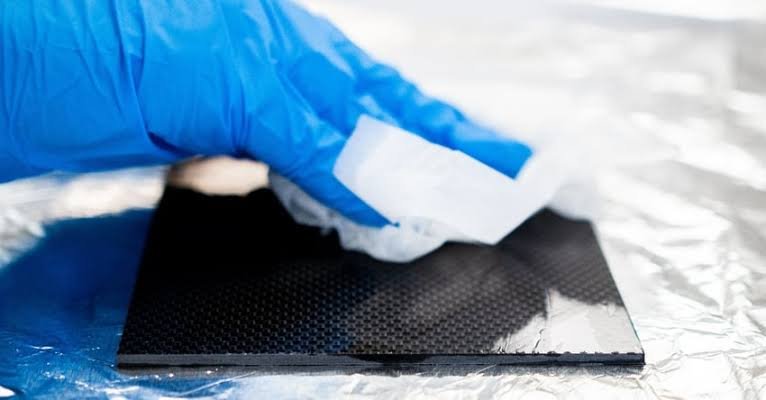
One of the most overlooked parts of wrapping a vehicle is preparation. Even a high-quality vinyl product can fail to deliver a clean finish if the surface underneath is dirty, greasy, dusty, or damaged. Small particles trapped beneath the material may create bumps, while leftover wax or oil can prevent the adhesive from bonding properly.
Related: The Smartest Investments You Can Make in SEO with an Agency in Huntsville AL
This is why comprehensive surface prep is such an important part of the process. Professional installers typically wash the vehicle thoroughly, remove contaminants, inspect the paint, and clean areas that are easy to miss, such as panel edges, door seams, and trim gaps. Depending on the condition of the vehicle, additional steps may be needed to address peeling paint, rust, scratches, or uneven surfaces.
Preparation might not be the most exciting part of the job, but it often determines whether the final result looks polished or rushed.
Why Installation Skill Matters
Vehicle wrapping is a detailed craft. Vinyl needs to be positioned carefully, stretched appropriately, and applied without creating unnecessary wrinkles, bubbles, or tension. Different sections of a vehicle present different challenges. Curved bumpers, deep recesses, mirrors, handles, and body lines all require patience and experience.
Related: Boost Your Content Strategy with These Top SEO Tools
Choosing a provider that specializes in professional wrap installation can make a noticeable difference. Experienced installers understand how different vinyl materials behave and know when to use heat, reposition a panel, or work around a difficult contour. They also understand that applying too much tension can cause the material to shrink or lift later.
A skilled installer does not simply cover the vehicle. They work with its shape, allowing the vinyl to follow the design naturally while maintaining a consistent appearance across each panel.
Selecting the Right Vinyl Material
Not all vehicle wraps are created equal. Vinyl products vary in thickness, finish, flexibility, durability, and adhesive performance. Gloss, matte, satin, metallic, color-shifting, and textured finishes each create a different visual effect. The right choice depends on the vehicle, the intended use, and the owner’s expectations.
Related: F&O App – The Ultimate Guide to Futures and Options Trading
For example, a business vehicle that travels long distances may need a durable material designed to withstand frequent exposure to sunlight, road debris, and changing weather. A personal vehicle used mainly for weekend driving may have different requirements.
It is also worth considering how easy the material is to maintain. Some finishes show fingerprints, dust, or scratches more easily than others. A professional installer can explain the practical differences and help customers select a vinyl that suits both their style and their daily routine.
Precision Application Creates a Cleaner Finish
Once the surface is ready and the vinyl has been selected, the application stage requires careful execution. Installers must align graphics, seams, logos, and design elements so the finished wrap looks intentional from every angle.
Precision application is especially important for commercial vehicles. A company name or logo that appears crooked, stretched, or poorly aligned can make an otherwise attractive wrap look unprofessional. On a personal vehicle, uneven edges or visible seams can be just as frustrating.
The best results come from applying the vinyl methodically, using the right tools and techniques for each section. Installers may use squeegees, heat guns, cutting tools, and specialized finishing methods to create smooth transitions. They also pay close attention to edges, because poorly finished edges are more likely to lift over time.
Maintenance After the Wrap Is Installed
A vehicle wrap still needs care after installation. Although quality vinyl is designed for outdoor use, it is not completely immune to damage. Harsh chemicals, abrasive brushes, prolonged exposure to contaminants, and improper washing techniques can shorten its lifespan.
Hand washing with a mild automotive cleaning solution is often a safer option than using aggressive cleaning products. Owners should avoid sharp tools, rough scrubbing, and automatic car washes that use stiff brushes. Bird droppings, tree sap, and road grime should also be removed as soon as possible rather than left on the surface for extended periods.
Parking in a garage or shaded area can help reduce prolonged sun exposure. While modern vinyl products offer useful resistance to weather and UV exposure, regular care still helps preserve their color and finish.
Common Mistakes to Avoid
Some wrapping problems begin with unrealistic expectations. Customers may assume that vinyl can hide every imperfection, cover severely damaged paint, or last indefinitely under all conditions. In reality, the condition of the underlying surface matters, and the lifespan of a wrap depends on material quality, installation, climate, and maintenance.
Another common mistake is choosing a provider based only on the lowest price. A cheaper quote may not include thorough preparation, premium vinyl, proper edge finishing, or aftercare guidance. Saving money at the beginning can sometimes lead to additional repair or replacement costs later.
It is sensible to ask about the installer’s experience, the vinyl brand being used, warranty coverage, preparation procedures, and examples of completed work. These questions can provide a clearer picture of what the service actually includes.
A Worthwhile Investment When Done Correctly
A vehicle wrap offers a flexible way to improve appearance, promote a business, or protect a vehicle’s original paint. However, the quality of the result depends heavily on the process behind it. Proper preparation, suitable materials, careful application, and ongoing maintenance all work together.
For anyone considering a wrap, the goal should not simply be to get the vehicle covered. It should be to achieve a finish that looks clean, performs reliably, and remains attractive over time. With the right installer and realistic expectations, a vehicle wrap can be a practical and visually rewarding investment.