Home Blog Page 5

Understanding Prices, Value, and What You Actually Get

0

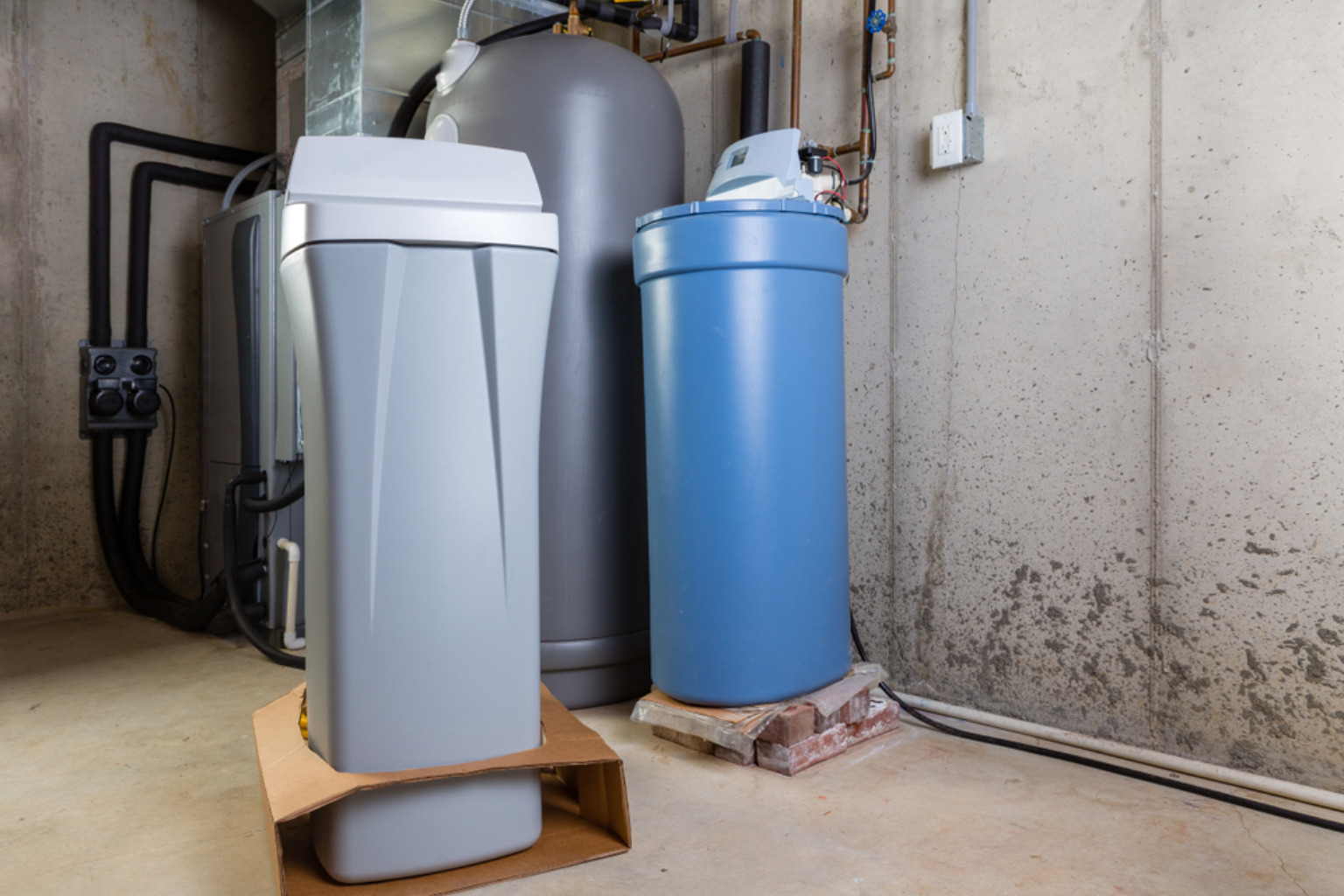
If you’ve ever stepped out of the shower and felt like your skin was wrapped in a layer of chalk dust, or if your dishes seem to come out of the dishwasher with mysterious white spots no matter how many times you scrub—welcome to the hard-water club. And you’re not alone. Many homeowners eventually reach a point where they think, “Alright… maybe it’s time for a water softener.”

But right after that realization comes the next question: How much is this going to cost me?
And that’s where things get a little murky, because water softener pricing isn’t one-size-fits-all. It depends, annoyingly so, on a handful of variables—house size, water hardness, system type, and installation requirements. Still, there is a way to understand the bigger picture without drowning in details.

Let’s break it down in a way that feels natural, honest, and useful—like a conversation you’d have with a friend who’s already been there.


Why People Even Ask About Cost First

Money aside, a water softener is really a quality-of-life upgrade. It touches everything: your faucets, laundry, dishes, skin, hair, appliances, and even your water heater efficiency. But no matter how many benefits you stack up, you still want to know how much is a water softener going to set you back. That’s fair. Good water feels great, but not if it drains your bank account.

And here’s the truth: water softeners range, and they range widely.


Breaking Down the Price Spectrum (Without Complicating It)

For a typical home, basic softeners start around a few hundred dollars and go upward from there. The difference lies in features—single tank vs. dual tank, salt-based vs. salt-free, smart monitoring vs. manual settings.

But don’t let the variety overwhelm you. Think in tiers instead of models:

  • Entry-level systems – Simple, effective, budget-friendly
  • Mid-range systems – Better durability, more efficiency
  • Premium systems – Smart features, high capacity, long-term savings

There’s no wrong tier, just the one that fits your house, water, and comfort level.


Installation: The Hidden Part of the Equation

A lot of homeowners don’t realize the installation cost until they’re already halfway into shopping. Some systems need nothing more than a straightforward hookup. Others require new plumbing, electrical work, or additional space. And that changes the total investment.

So when you ask how much is water softener system, remember that the “system” includes the hardware and the installation. Kind of like buying a car and remembering you still need fuel, insurance, and maybe a parking space.

It’s not complicated—just something people tend to overlook.


Can a Cheap Softener Work? Yes… but with Caveats

There’s no shame in wanting to save money. A cheaper unit can soften your water, at least for a while. But lower-cost systems may regenerate more often, use more salt, or wear out faster. On the other hand, pricier units usually bring long-term savings through efficiency, better design, and fewer repairs.

A lot of homeowners do the math and realize spending a bit more upfront actually saves them a lot over time. It’s like buying a better mattress—not glamorous, but your future self will be grateful.


What Affects the Final Price?

Think of it like building a personal recipe. A few ingredients always matter:

  • Water hardness level
    Extremely hard water means the softener needs more capacity.
  • Home size and water usage
    A small apartment doesn’t need the same system as a five-bathroom house.
  • Salt-based vs. salt-free
    Salt-free systems cost more but require less maintenance.
  • Brand and warranty
    You’re paying for reliability, not just a logo.
  • Extras like apps, smart control, or filtration add-ons
    Convenience comes with a price tag.

All these little variables create the final price of water softener, and that’s why quotes vary so much.


Why the Cost Is Actually Worth It (Most of the Time)

If you’ve lived with hard water long enough, you don’t need convincing. You’ve seen the signs:

  • Crunchy towels
  • Faded clothes
  • Stubborn soap scum
  • Scale in your kettles and faucets
  • Water heaters working harder than they should
  • Hair that refuses to behave

A good softener solves most of these quietly, without you needing to think about it again. And the savings on detergents, appliance repairs, and energy bills eventually make up for the initial investment.

Honestly, it’s the kind of upgrade you don’t realize you needed until you experience it.


Tips for Choosing Without Regretting It Later

If you’re planning to buy one soon, here are a few friendly reminders:

  1. Test your water first.
    You don’t want to overspend—or underspend.
  2. Don’t rush.
    A softener lasts years. It’s worth choosing thoughtfully.
  3. Consider your long-term home plans.
    Moving? Renting? Upgrading? Every situation changes your ideal system.
  4. Check warranty and maintenance.
    You want a brand that actually picks up the phone when needed.
  5. Aim for balance.
    The goal isn’t “cheapest” or “fanciest”—it’s “worth it.”

So… What’s the Real World Cost?

After all the explanations, you probably still want a number. So here’s the general range most homeowners see:

  • Budget systems: Affordable, basic, functional
  • Mid-range systems: Better longevity and efficiency
  • High-end systems: Smart features, optimal performance, strongest warranties

Your exact price depends on all the factors above, but at least now you know why the range is so wide — and where your money is actually going.


Final Thoughts: You’re Not Just Buying Softer Water

You’re buying comfort. Cleaner dishes. Better showers. Healthier appliances. Lower energy bills. And honestly… peace of mind.

When Water Isn’t Just Water: Rethinking What’s Flowing Through Your Pipes

0

There’s a quiet villain in many homes and businesses. You don’t see it, and you might not even think about it—until the signs show up. Soap that refuses to lather, streaky dishes, stiff towels, appliances aging before their time. It’s not a plumbing issue. It’s not your imagination. It’s your water.

And to be honest, once you’ve noticed it, it’s hard to un-notice. It’s kind of like realizing your car always pulls slightly to the right—you live with it for a while, until one day, you can’t anymore.

This article isn’t here to sell you something fancy. It’s just a deep dive into what hard water and poor water quality are doing to your home (or your business), and why dealing with it is easier—and smarter—than you think.


The Uninvited Guest: Hard Water and Its Quiet Damage

You’d think water, the most essential thing in our homes, would be naturally pure. But the truth is, most of what comes through the tap is anything but. It’s loaded with minerals, usually calcium and magnesium, that harden the water and create a whole domino effect of problems.

Showerheads clog. Washing machines struggle. That chalky build-up around your faucets? Yep—classic hard water signature.

That’s where hard water treatment steps in. It’s not some overpriced gimmick or magic filter—it’s a practical, long-term way to soften your water and extend the life of your appliances, clothes, and even your skin. Once you make the change, you’ll wonder how you lived without it.


Don’t Just Clean—Protect Everything

Think about how much of your home depends on water: the dishwasher, the washing machine, the water heater, even the pipes themselves. Hard water slowly wears down all of them. It’s like letting gravel run through your plumbing system every day.

Treatment systems aren’t about being fancy. They’re about being smart. Instead of shelling out for repairs year after year, you can get ahead of the curve. Softened water protects pipes, lowers utility bills, and leaves your home cleaner, shinier, and just… better.


Not Just for Homes: Businesses Need Clean Water Too

If you run a business, especially in hospitality, healthcare, or manufacturing, water isn’t just a utility—it’s a resource. From laundry services to cooling systems, from food prep to industrial rinses, the quality of your water directly impacts your efficiency, costs, and customer satisfaction.

That’s where commercial water treatment becomes a no-brainer. Whether it’s scale buildup in pipes or inconsistency in production due to mineral-laden water, poor water quality eats away at profit margins. A proper treatment system not only keeps operations smooth—it builds trust with customers who expect cleanliness and consistency.

You’d be surprised how many businesses suffer from poor water quality without even realizing it. If things are breaking faster than they should, or your cleaning products are underperforming, the problem might not be the tools—it might be the water.


Stop Guessing, Start Testing

Now here’s the thing: most of us don’t know our water is hard or off-balance until someone points it out. It’s not obvious unless you’re paying attention. That’s why a water test is the best place to start.

And guess what? You don’t have to pay an arm and a leg for that. Many trusted providers offer free testing to check your water’s hardness, pH, and presence of contaminants. No sales pitch. No pressure. Just solid data so you can understand what you’re actually drinking, cooking with, and bathing in every single day.

Because, really—if we care about the food we eat, the air we breathe, and the products we use… why should the water we depend on be any different?


The Personal Stuff No One Talks About

Let’s get real for a second.

Living with untreated water is more than just inconvenient—it’s frustrating. You spend extra money on detergent because it doesn’t foam. You scrub and rescrub dishes and still see spots. Your kid’s eczema flares up. Your clothes fade too quickly. Your hair feels like straw.

You start to feel like the house is working against you. Like you’re losing a little battle, every single day.

A proper water treatment system flips that on its head. Everything starts to work the way it should—like your home is finally on your side again. It’s not glamorous. But it’s life-changing in the most practical ways.


Real Stories, Not Just Stats

I’ve talked to people who installed softeners or filtration systems and didn’t think much of it—until they visited a friend’s place and felt the difference. The water smelled weird. The soap didn’t lather. The dishes were dull. Suddenly, they realized just how much of a game-changer it was to have good water at home.

Or business owners who thought they were stuck replacing equipment every few years—until they installed a commercial-grade filter and doubled their lifespan. No more surprise shutdowns. No more inconsistent results.

It’s not just about numbers. It’s about quality of life. Every single day.


Maintenance, Simplicity, and No-Stress Systems

People often worry that water systems are high-maintenance. And sure, some used to be. But today’s units are streamlined. Digital controls, automatic regeneration, low-salt indicators—these systems are built for busy lives.

You don’t have to be a plumbing expert. Most systems run themselves, and technicians are always around for checkups or tweaks if needed. Once it’s in, it’s one of the few home upgrades that works quietly in the background—and never stops paying you back.


Making the Choice: It’s Not About “Luxury”

Let’s ditch the idea that treating your water is some kind of indulgence. It’s not. It’s an investment in your home’s longevity, your health, and your everyday comfort. We spend thousands on countertops and gadgets. But clean, functional water? That’s as foundational as it gets.

Start with the basics. Get your water tested. Ask the right questions. Talk to local pros who actually know the regional water profile. Don’t let fear or confusion delay something this essential.


Final Drips: A Better Flow Awaits

So here’s the takeaway: good water isn’t optional—it’s essential. Whether you’re dealing with mineral-heavy headaches, running a business that depends on efficiency, or just looking for a little peace of mind, the solution is within reach.

One IPO App to Apply, Track, and Check Allotment Status

0

The new-age IPO world attracts many individuals to invest in companies looking at a growth story, either emerging or established. With technology, the way investors approach the financial markets has changed. IPO applications have been made simpler and faster than ever via digital platforms. A credible IPO app allows the investors to apply smoothly, obtain real-time tracking, and find allotment status within a matter of minutes. 

The Role of IPO Apps in Modern Investment

Any private company attempting to access the public market goes through IPOs. Investors interested in subscriptions to such offerings require seamless platforms to facilitate an end-to-end experience in the application to allotments tracking. Until a few years back, this whole process used to involve lots of steps across banks and offline forms. Dedicated IPO apps today cut through all this hassle with an integrated experience of all IPO-related features in one platform.

A dependable IPO app allows investors to browse live and upcoming IPOs, view company details, analyze financial information, and apply using UPI. It also provides for instant notifications on allotment updates to keep its users informed without the hassle of visiting multiple websites or portals.

Applying for IPO Like a Pro

Modern IPO apps make things easy, paperless, and safe for the investor. With a few easy clicks, he can submit an application via the app after linking his Demat and bank accounts. The app presents a list of IPOs in operation, including their price band, issue size, and closing date, allowing investors to make informed decisions.

Guided application entry minimizes errors within a step-by-step interface. Investors can, for example, choose the number of lots, enter a UPI ID, and immediately forward the request through the bid submission. The bid request gets sent to the investor’s preferred UPI app for approving the payment. Once the UPI app validates the payment, the amount gets blocked pending allotment results.

Tracking IPOs and Market Updates

An efficient IPO app maintains awareness for the investor from the investment decision stage to the long exit. From the opening of the issue to the allotment list, these apps keep sending notifications. Investors can keep track of whether the IPO is being bid for, monitor subscription data from various categories of investors, and understand market sentiment.

Most platforms also display performance data on past IPOs so that users gain insight into listing gains or subsequent price behaviors of stocks. Such tracking allows users to make informed decisions rather than gamble on speculation.

Moreover, real-time integration with exchanges gives market players access to timely and accurate stock market information. Bullish or simply cautious, the updates let users calibrate their strategic investments accordingly.

Allotment Status Check in an Instant

For all IPO investors, one great moment is the result of the allotment. In the good old days, tracking allotment even meant checking the registrar’s website or waiting for messages from brokers. The tracking of allotment became almost real-time with the advent of these advanced IPO apps.

With the completion of the allotment process, investors log in to the app and see if they indeed got shares. The app clearly shows allotment numbers, along with refund status, if any. The apportioning system creates a seamless communication network, with registrars and depositories working in real time with investors.

Security and Transparency in IPO Applications

When it comes to financial games, security and trust become paramount. Notorious IPO apps safeguard users’ privacy with encrypted systems protecting sensitive user information like PAN, UPI ID, and Demat accounts. They conform to all regulatory frameworks and exchange protocols, assuring every transaction meets industry standards.

Another thing concerning an IPO app is transparency. They do give a proper detail of every IPO in relation to a company’s business background, financial multiples, and risk disclosures. This ultimately helps investors in data-backed investment decisions while being aware of the risks before considering subscribing.

Besides, all updates are available in the app, from application status to allotment results, enabling investors to track each step without depending on news from any external channel.

IPO as One Gadget for Financial Purposes

For many investors, IPOs are not individual opportunities; they exist within a bigger investment philosophy. One best IPO app offers inputs into making the apt portfolio decisions from available financial instruments such as stocks, mutual funds, and SIPs. Thus, their consolidated view helps users manage their investments.

Post-listing, they have the facility to keep track of IPO holdings, monitor the effect of new additions on overall returns, and gain from research insights and company data for informed decision-making for all asset classes.

This trend fosters a culture of disciplined investments in which users diversify their portfolios, all the while remaining in command in terms of liquidity and risk exposure.

User Experience and Support

Ease of use is a major factor in an IPO app being favorable for investors, regardless of skill. Clean layout, intuitive navigation, and guided steps reduce any possible confusion when demand spikes for IPOs. Through tutorials and FAQs, many apps cater to beginners so that they gain an understanding of the working of an IPO.

Useful support from dedicated professionals and timely communication builds trust among their users. Be it technical assistance or an application status query, a swift response to the assistance is guaranteed to bring back the sweetness. 

The Impacts of An IPO App

In the fast-paced market, the ability to access accurate information and timely updates can change the course of investments. It is in the IPO app that the gap between opportunity and execution is bridged, empowering the investor to confidently take part in a new listing.

Application, tracking, and allotment processes have been integrated into one platform to take away the historical barriers to IPO participation. Quite simply, it makes IPO investing a breeze; more importantly, it instills in retail investors the culture of making informed investments.

Do Detention Center Doors Integrate with Modern Electronic Control Systems?

0

Security design in correctional environments has changed dramatically in the last decade. The once purely mechanical detention center doors that relied on heavy keys and manual locks are now part of a connected digital ecosystem. Understanding how this transformation works reveals just how far detention technology has evolved toward precision, control, and layered protection.

How Secure Door Mechanisms Are Evolving Inside Detention Facilities

Modern detention facilities rely on advanced locking systems that are stronger and smarter than their predecessors. The old approach of thick steel bars and key-based locks is being replaced with electronically managed systems that respond instantly to commands from a control room. These mechanisms not only offer faster operation but also greater consistency in how doors engage and release under different security conditions. Behind this progress are security detention equipment contractors who design integrated systems that prioritize both safety and control. Electronic locks can now be monitored in real time, alerting staff to faults or forced-entry attempts before they escalate. The integration of sensors and programmable logic has made detention center doors as much a part of an information network as they are physical barriers.

Inside the Wiring: The Role of Control Systems in Cell Door Automation

At the heart of these upgrades lies the control system—the electronic brain that manages movement, timing, and responses. Each detention door connects to a central logic controller that regulates when it can open and how it should behave in emergencies. This coordination ensures that no door operates outside approved sequences, maintaining order within high-security areas.

Control panels have become more intuitive, replacing switches and manual overrides with touchscreen interfaces. For modular jails and larger correctional campuses, these systems synchronize dozens of access points through a single control hub. It’s a balance of technology and design that reflects how deeply electronics have been woven into modern corrections infrastructure.

From Keys to Code: Shifting Toward Digitally Managed Security Doors

The move from mechanical to digital locking represents one of the biggest transitions in facility security history. Instead of relying on guards with key rings, institutions now use programmed credentials and encrypted signals to manage access. This shift not only enhances safety but also provides traceability—every entry and exit can be logged, time-stamped, and audited.

Digital access also reduces human error, one of the most common weaknesses in traditional detention setups. Detention equipment contractors often integrate biometric or RFID-based systems for higher-level control. These tools prevent unauthorized duplication or misuse of access credentials, which has long been a problem in facilities that still rely solely on mechanical keys.

Why Centralized Door Control Is Becoming the New Norm in Corrections

Centralized command centers now act as the operational backbone of secure facilities. Instead of independent door operations scattered across blocks, modern systems allow operators to monitor and control multiple areas simultaneously. The ability to lock down or isolate zones instantly has become a standard expectation for high-security detention centers.

This approach is especially vital in modular jails, where facility layouts can shift or expand over time. Centralized door control keeps all systems coordinated, no matter the configuration. It also reduces staff workload, allowing fewer officers to manage more infrastructure without compromising safety or compliance standards.

Integrating Lockdown Protocols with Electronic Access Infrastructure

Electronic control systems aren’t just about convenience—they’re about resilience under pressure. Lockdown protocols must activate without delay, even if the main network encounters an issue. For this reason, detention center doors are often linked to both primary and backup power systems, ensuring continuous functionality during emergencies. Advanced configurations now enable lockdown commands to occur automatically in response to alarms or sensor triggers. Security detention equipment contractors use programmable logic to synchronize actions—such as sealing specific corridors or restricting egress points. These designs enhance containment during critical moments while giving operators precise situational awareness.

The Quiet Revolution in Detention Center Door Technology

Technology inside detention facilities rarely draws public attention, yet it defines operational reliability. Door control components, once mechanical, are now hybrid systems combining motors, solenoids, and microcontrollers. This transformation has quietly reshaped how secure environments maintain order.

Modern installations also focus on long-term sustainability. Electronic door systems can self-diagnose malfunctions, prompting maintenance alerts before breakdowns occur. Prison supply manufacturers now produce modular units that simplify repair and reduce downtime—helping facilities remain operational without large-scale lock replacements.

Can Today’s Electronic Systems Keep Pace with Security Demands?

As technology advances, so do the challenges of keeping facilities both secure and efficient. Cybersecurity, system redundancy, and interoperability with surveillance tools are now major priorities. The question is no longer whether electronic systems can manage detention operations—it’s how well they can adapt to evolving security threats and regulations.

Future designs will likely merge physical and digital layers even further. Detention equipment contractors continue refining these systems to integrate analytics, predictive monitoring, and cloud-based oversight without sacrificing control. Cornerstone provides advanced detention door solutions built for the next generation of correctional security environments.

Scenarios When You Must Call on Emergency Drain Service Rather than Wait for Regular Hours

0

Drain emergencies don’t announce themselves with a schedule. They escalate fast, disrupt daily life, and often cause structural or safety risks before anyone has time to think. Knowing when to search for emergency drain service instead of waiting for business hours can prevent thousands in property damage.

Water Backing into the Home from Exterior Drain Points

Backup from exterior drain exits means water has nowhere left to escape and is reversing direction toward the house. This can happen in landscape drains, trench systems, or French drain outlets that become overwhelmed or blocked by debris, sediment, or collapsed piping. Water entering the home through doors, lower walls, or garage edges signals external drainage failure—not an indoor plumbing leak—and the clock moves fast once saturation begins.

Interior flooding from an outside drainage issue doesn’t resolve itself with time. Water will continue to follow the path of least resistance straight indoors until pressure equalizes or the blockage is removed. When searching for drain service near me at this stage, the response can mean the difference between a wet floor and major structural damage.

Fast-rising Pooling near the Foundation After Rainfall

Water pooling fast near the foundation, especially during or immediately after rainfall, shows that runoff is not diverting away from the home. It points to overwhelmed surface drainage, failed grading, or clogged underground drain lines. This standing water increases hydrostatic pressure and creates the conditions for basement seepage or slab infiltration. The danger grows when pooling remains long after rain stops. The ground cannot absorb water quickly enough, and without immediate intervention, the next heavy rainfall doubles the issue. A prompt drain clearing service near me call often stops escalation before water intrudes into living spaces.

Yard Saturation That Puts Pressure on Basement Walls

A spongy, oversaturated yard means soil has reached maximum absorption and begun holding water against the foundation. When this happens, hydrostatic pressure pushes laterally on basement walls, raising the risk of cracks, bowing, or seep-through at weak points. The pressure builds quietly but constantly.

This scenario becomes more serious if the basement begins developing damp wall patches or musty odors. The drainage system outside has hit its limit, and the structural envelope is taking the load. Clogged drain service is not just about comfort here—it becomes a preventive measure against foundation stress.

Sewage Overflow Reaching Surface Grates or Ground Drains

Sewage surfacing through outdoor drain points signals a blockage further down the main drain line or municipal connection. Unlike stormwater backups, this water contains contaminants that pose real health risks. The presence of odor or discolored water means immediate action, not observation, is needed.

Letting this situation linger invites contamination into soil, structures, and air quality. The system must be cleared and flushed, not just drained. In areas like Huntsville AL, where storms can overwhelm infrastructure, calling for emergency drain service is the safest first action when sewage reaches surface-level outlets.

Complete Blockage in Main Drain Lines Halting All Drainage Flow

When all drainage points stop working at once—yard inlets, gutters, downspouts, or drain boxes—it signals a main line obstruction. Water no longer has an exit path and simply collects upward and outward. This typically means underground lines are clogged, crushed, displaced, or root-invaded.

The seriousness of a full stoppage lies in its predictability: water will rise until it finds another exit path, often indoors. There’s no safe delay window for a full system halt. This is when searches for drainage companies near me move from optional to urgent.

Flooding That Compromises a French Drain Outflow Path

French drains work by capturing groundwater and directing it to a discharge point. If the outflow becomes submerged, blocked, or fails to discharge downhill, the system fills like a closed tank. At that point, the drain stops protecting the property and begins storing water instead.

Backflow or visible pooling along the drain path often means the discharge point is compromised. Because French drains rely on gravity, clearing the endpoint and restoring flow immediately is essential. The delay cost with these systems is exponential, making same-day emergency drain service the only realistic solution.

Erosion Forming Around Drainage Channels or Outlet Exits

Erosion around drain exits or along swales indicates that water is leaving the system too fast, in the wrong direction, or through damaged piping. Washed-out soil creates unstable ground, undermines landscaping, and can lead to exposed pipe sections that later collapse under weight or weather.

Erosion doesn’t stop on its own; every rainfall event amplifies the problem. Fast repair protects both the drainage system and the surrounding grade. For property owners pricing drain service near me, erosion repair and drain stabilization often go hand in hand.

Standing Water Approaching Electrical or Utility Inlets

Water nearing utility inlets, exterior outlets, HVAC pads, or electrical junctions shifts a drainage issue into a safety emergency. The risk is no longer structural—it becomes electrical, shock-related, or equipment failure. Even shallow standing water poses a threat near power sources.

Once utility lines or electrical equipment are near contact with water, emergency response is non-negotiable. The goal becomes protecting life, power systems, and equipment first, then restoring drainage.

Avoiding Foreclosure: Understanding the Process, Timeline, and Assistance Options

0

Facing the possibility of foreclosure can be overwhelming, emotional, and stressful. However, many homeowners do not realize that foreclosure is not always inevitable. With the right information, planning, and support, avoiding foreclosure becomes significantly easier. Whether you are struggling to make mortgage payments, exploring foreclosure assistance programs, or considering selling your property before the bank takes action, knowing your rights and options can help you regain control of your financial future.

Why Foreclosure Happens

Foreclosure occurs when a homeowner fails to make mortgage payments, prompting the lender to take legal action to recover the loan balance. The process can take several months or even years depending on state laws and lender practices. Common causes include job loss, medical bills, divorce, rising interest rates, or unexpected emergencies. Understanding the reason behind your financial hardship is the first step toward finding the best solution to protect your home and credit.

Understanding Foreclosure Laws

Foreclosure laws vary by state, and knowing your rights can save valuable time and money. Some states have judicial foreclosure processes, meaning lenders must go through court, while others use non-judicial foreclosure, which is often faster. Homeowners also have legal protections, such as receiving notice before proceedings begin and having the opportunity to catch up on missed payments. Consulting a housing counselor or attorney familiar with understanding foreclosure laws can help you navigate your options more effectively and avoid costly mistakes.

Foreclosure Timeline Explained

The foreclosure timeline typically begins after the first missed mortgage payment. Most lenders give a grace period and then begin charging late fees. After 90 days of missed payments, you may receive a notice of default. At this stage, the lender will inform you of the outstanding balance and provide a deadline to resolve the issue. If you do not take action, the property may eventually be scheduled for auction or repossession. In many cases, lenders prefer to work with homeowners to find a solution rather than take possession of the property, so communication is key.

Options to Stop or Delay Foreclosure

Several strategies can help you stop or delay foreclosure, depending on your financial situation:

  • Loan Modification – Adjusts the terms of your mortgage to make payments more affordable.
  • Forbearance – Temporarily reduces or pauses mortgage payments during financial hardship.
  • Repayment Plan – Breaks missed payments into smaller amounts spread over time.
  • Refinancing – Replaces your existing mortgage with a new loan, often with better terms.
  • Short Sale – Sells the property for less than the mortgage balance with lender approval.

Government and nonprofit foreclosure assistance programs are also available to help qualified homeowners. These programs may offer counseling, legal guidance, or financial support to help you stay in your home.

Can You Sell Your House During Foreclosure?

Yes—many homeowners choose to sell a house while it’s still in foreclosure to avoid damaging their credit further and to regain financial stability. If you have equity in your home, selling it quickly can provide enough funds to pay off the mortgage and avoid a foreclosure record. In situations where the mortgage balance is higher than the property value, a short sale may be an option. Working with a knowledgeable real estate agent or foreclosure specialist ensures you follow legal requirements and meet lender deadlines.

Take Action Early

The most important step in avoiding foreclosure is acting early. Ignoring notices or falling behind further only reduces your options. Contact your lender, explore assistance programs, and seek professional help if needed. A proactive approach can prevent foreclosure, protect your credit score, and help you regain financial security.

Foreclosure is challenging, but with awareness, guidance, and timely action, it is possible to overcome financial hardship and protect your home.

Orlando Winter Vacation Guide: Family-Friendly Holiday Ideas & Tips

0

Orlando in winter is a sweet spot for families, solo travelers, and groups looking for sunshine, big thrills, and festive fun without the intense summer heat. Whether you want to chase fireworks at world-famous theme parks, stroll through holiday light displays, or discover quieter attractions, winter travel Orlando offers something for every pace and budget.

This guide highlights family-friendly Orlando holiday ideas, seasonal events, and practical Orlando travel tips to help you plan a stress-free winter getaway. Read on for park must-dos, day trip suggestions, packing advice, and smart ways to save time and money.

Theme Park Must-Dos: Make the Most of Park Days

Orlando’s theme parks are the main draw for many visitors. Winters bring cooler temperatures and special seasonal overlays, so prioritize must-see attractions early in the day when lines are shorter. For families, split days between big-name parks and smaller, calmer attractions to avoid burnout. Consider single-park days for younger kids and park-hopping for older teens who want variety.

Buy tickets in advance and check park event calendars. Special holiday shows, parades, and nighttime spectaculars book up fast, so plan your evenings around signature performances. If crowds are a concern, try visiting on weekdays or during early December before schools start on winter breaks.

Seasonal Events and Holiday Nights

From themed light displays to special Christmas and New Year events, Orlando bursts with seasonal cheer. Major parks usually host evening parades, character meet-and-greets in holiday costumes, and themed food markets. Local neighborhoods and resort areas also put on spectacular drive-through or walk-through light shows that are family-friendly and usually less crowded than the parks.

Keep an eye on event dates and ticket requirements. Some festivals require separate admission or timed-entry passes, so having a flexible evening plan will help you make the most of the festivities.

Family-Friendly Attractions Beyond the Parks

If you want a break from theme parks, Orlando has plenty to offer. Interactive museums, aquatic centers, and animal encounters are perfect for families. Consider spending a day at a hands-on science center, touring a butterfly conservatory, or visiting a wildlife park where kids can learn and interact with animals in a safe setting.

Many resorts also have family programming like holiday crafts, movie nights, and seasonal pools. These low-key activities are great for rest days between big outings.

Packing Tips for Comfortable Winter Travel Orlando

Florida winter weather is mild but variable. Pack light layers so everyone can adjust to cool mornings and warmer afternoons. A light jacket, comfortable walking shoes, sunscreen, and refillable water bottles are essentials. If you’ll be attending evening events, bring a warmer layer for night shows that can feel chilly after sunset.

For families, portable chargers, a compact first-aid kit, and reusable snack containers make park days smoother. Don’t forget costumes or festive accessories for kids who enjoy holiday dress-up during events.

Where to Stay: Choosing the Right Base

Location matters. Staying close to the parks helps reduce travel time and gives you more flexibility for midday breaks or quick returns to the hotel for naps. Resorts near the main attractions often offer shuttle services and family-friendly amenities like pools, game rooms, and free breakfasts.

If you prefer quieter mornings and lower nightly rates, consider hotels a bit farther out with easy access to highways. Vacation rentals can be a great value for larger groups or families who want a kitchen and extra space.

Getting Around: Transportation Tips

Renting a car gives you the most freedom, especially for day trips and grocery runs. If you’d rather skip driving, rideshares and shuttles are widely available. Plan for airport transfers and allow extra time during holiday travel windows. For shorter hops around the resort areas, many hotels provide free shuttles or on-site transportation options.

If you need ride or rental options, check fares and availability before you travel to avoid last-minute surprises. For flight planning specifically, Find more cheap flight options on Traveloka to compare schedules and fares easily.

Money-Saving Orlando Holiday Ideas

Winter can be expensive around the holidays, but there are ways to stretch your budget. Look for bundled tickets that include multiple parks or attractions, and watch for off-peak discounts before and after holiday weeks. Booking hotels and flights together or choosing midweek stays can also lower costs.

Dining off the main tourist drag and packing picnic items for some days will help reduce food expenses. Many local grocery stores near tourist areas stock prepared family meals and snacks to simplify park days.

Day Trips and Low-Key Alternatives

Want a break from crowds? Head out for a day trip to nearby beaches, state parks, or charming small towns within an hour or two of Orlando. Coastal areas are often less crowded in winter and great for shell-hunting or leisurely walks. Nature reserves and botanical gardens offer peaceful alternatives and make for memorable family photos without the lines.

Another low-key option is to explore local cultural spots like art districts, farmers markets, and indoor play centers for kids who need a less sensory-heavy day than the big parks provide.

Health and Safety Tips for Families

Keep everyone healthy by staying hydrated, taking breaks, and having a simple plan for meeting points in crowded venues. Familiarize yourself with first-aid stations in parks and other emergency contacts. During the peak holiday season, simple practices like hand sanitizing and carrying basic medications will keep small issues from interrupting your trip.

If you’re traveling with older relatives or very young children, plan shorter activity blocks and schedule downtime. That way everyone stays energized and happy for evening celebrations.

Booking Smart: Flights, Hotels, and Activities

For the best flight and hotel deals, start searching several months out and set alerts for price drops. Orlando is served by a major airport with many connections, which means fares can fluctuate. If you have a specific date or a must-do event, locking in reservations early often pays off. If you want to go straight to booking, consider looking for Cheap flight tickets to Orlando and compare options at your convenience.

For experiences and side trips, book activities that have limited capacity in advance. That keeps your schedule flexible while ensuring you don’t miss seasonal highlights.

Final Tips for a Smooth Orlando Winter Vacation

Enjoy the relaxed winter pace by mixing big days with chill days, keeping evenings flexible for shows, and balancing park excitement with quieter attractions. Plan around weather and crowds, pack for layers, and prioritize what your group enjoys most. With a little planning, your Orlando holiday ideas will turn into lasting memories for everyone in your travel crew.

Why Traveloka Makes Winter Travel Easier

When you are ready to turn plans into bookings, Traveloka simplifies the process by gathering flights, hotels, and activities in one place so you can compare options and reserve what fits your schedule and budget. From a wide selection of carriers to a large inventory of places to stay and local experiences, Traveloka helps you piece together a winter trip that works for families, solo travelers, and groups alike. If you are ready to start, try Planning your next trip with Traveloka!

Why Investing in a Water Softener Might Be the Best Decision You Make This Year

0

It’s funny how we often take water for granted. We turn on the tap, fill a glass, and assume it’s pure, soft, and safe. But for many of us, especially here in the Midwest, that assumption is far from reality. Hard water—full of calcium and magnesium—can wreak quiet havoc on your home. From soap that doesn’t lather properly to spotting on dishes, dry skin, and even shortened appliance lifespans, it’s more than just a minor annoyance. If you’ve been noticing these little frustrations, it might be time to consider a water softener Omaha residents trust.

I remember the first time I realized our water was “hard.” My fiancé and I had moved into an older home, and I swear every morning, my hair felt like straw, my skin itchy, and our coffee maker was covered in a white crust. At first, I thought, “Maybe I just need better shampoo.” But after a quick Google search and a chat with our plumber, it was clear: the problem wasn’t me—it was our water.

Understanding Hard Water

Before diving into solutions, it helps to understand what hard water actually is. Hard water contains high levels of dissolved minerals—primarily calcium and magnesium. These minerals can build up over time, leaving limescale in your pipes, damaging appliances like dishwashers and water heaters, and even affecting the taste of your food and drinks.

You might be wondering, “Is hard water dangerous?” The short answer: not usually, at least in terms of health. In fact, some people claim hard water has trace minerals that are beneficial. But when it comes to your home, your appliances, and even your skin, hard water can be a headache. That’s where water softeners come in.

How Water Softeners Actually Work

A water softener is essentially a filtration system designed to remove those pesky minerals. Most systems use a process called ion exchange, where hard minerals like calcium and magnesium are replaced with sodium or potassium ions. This might sound complicated, but in practice, it’s pretty straightforward. Your water comes in, passes through the softener, and comes out much gentler on your skin, hair, and appliances.

Think of it like magic—but scientific. No more weird soap scum on your shower walls, and your dishes actually come out sparkling. For those of us who’ve spent years scrubbing faucets with baking soda and vinegar (don’t deny it, we’ve all been there), this is a game-changer.

Local Options: Why Nebraska Homeowners Are Turning to Experts

If you live in Nebraska, you might have noticed there are quite a few companies offering water treatment solutions. But experience matters. One name that keeps popping up in local forums and recommendations is moore water treatment. They’re known for personalized service, thoughtful installation, and a commitment to ensuring your water feels as good as it should.

It’s tempting to just buy a cheap water softener off the shelf, but there’s something to be said for working with experts who understand your local water quality. Nebraska water, for instance, can have varying levels of hardness depending on your city or county. Professionals can tailor a system to meet your exact needs, rather than giving you a one-size-fits-all solution that might not be effective.

Signs You Might Need a Water Softener

If you’re on the fence about installing a system, there are a few telltale signs that your water is harder than it should be:

  • White or chalky residue on faucets, sinks, and shower doors
  • Soap that doesn’t lather properly, or feels sticky instead of smooth
  • Appliances like dishwashers, washing machines, and coffee makers failing prematurely
  • Skin dryness, hair feeling rough or straw-like
  • A slightly metallic or off taste in your drinking water

If any of these sound familiar, you’re not imagining things. Hard water is sneaky, but its effects are cumulative. The longer you wait, the more wear and tear it causes.

The Broader Benefits of Water Softeners

Now, I know what some people think: “Sure, my water’s hard, but do I really need to spend money on a water softener?” Honestly, yes. Beyond the immediate comfort of softer skin and cleaner dishes, there are long-term benefits that really add up:

  1. Extend Appliance Lifespan: Water heaters, washing machines, and dishwashers hate hard water. A softening system can add years to their life.
  2. Save Money: Less soap, less detergent, fewer repairs, and longer-lasting appliances mean you actually save cash over time.
  3. Eco-Friendly: Using fewer cleaning products and reducing energy consumption from scaled-up appliances is better for the planet.
  4. Healthier Skin and Hair: For those with sensitive skin, soft water can reduce irritation and dryness.

It’s not just luxury—it’s practical. And after dealing with dry skin, ruined coffee makers, and eternally cloudy glasses for a few months, you realize the upfront cost is worth it.

Choosing the Right System for You

Not all water softeners are created equal, and picking the right one can feel overwhelming. There are traditional salt-based systems, salt-free alternatives, and even hybrid systems that offer specific benefits. Salt-based softeners are generally the most effective at removing minerals, while salt-free systems can reduce scale buildup without adding sodium. Hybrid systems try to offer the best of both worlds.

When shopping around, make sure you ask questions like:

  • How hard is my water exactly?
  • How much maintenance does this system require?
  • What is the expected lifespan of the unit?
  • Does the company offer installation, maintenance, or both?

For folks in Nebraska, there’s actually a surprising variety of options. From residential systems to larger-scale setups for farms and businesses, having a trusted local expert can make all the difference. In fact, many homeowners swear by water softeners Nebraska companies recommend because they combine quality hardware with knowledgeable service.

DIY vs. Professional Installation

Some people enjoy tinkering and might be tempted to install a system themselves. While small, point-of-use units are often doable at home, most full-scale softeners benefit from professional installation. Proper setup ensures your system works efficiently, your plumbing isn’t compromised, and you don’t end up with leaks or other headaches down the line.

Plus, local experts often provide routine maintenance, saving you from having to remember when to regenerate the resin or replace filters. It’s one of those small investments that pays off in peace of mind.

Final Thoughts

Living with hard water might seem minor at first. Sure, a little soap scum and occasional limescale isn’t the end of the world. But the subtle damage accumulates, and before long, you’re staring at worn-out appliances, irritated skin, and frustrated mornings. Installing a water softener isn’t just about luxury—it’s about care, convenience, and long-term savings.

If you’re in Omaha or elsewhere in Nebraska, take the time to explore your options. Talk to local experts, get your water tested, and find a system that works for your household. A little upfront effort can lead to years of smoother, softer water, happier skin, and peace of mind knowing your home is protected.

After all, water is something we interact with every single day. Why not make it as good as it can be? Trust me—your hair, your skin, your appliances, and your sanity will thank you. And if you’re wondering where to start, checking in with companies like moore water treatment can be a solid first step toward a water-softened home that actually feels like one.

Where Custom Industrial Heaters Outperform Generic Units

0

Precision and reliability in manufacturing often depend on how efficiently heat is applied and controlled. Generic heating units may serve simple needs, but custom industrial heaters redefine what consistent thermal performance means. They are designed to suit exact mechanical, electrical, and environmental demands—helping assembly lines and processing systems operate with fewer interruptions and better energy use.

Engineered Sheath Materials Yield Longer Heater Life

The outer sheath of a heater determines how well it endures heat, moisture, and mechanical wear. Custom industrial heaters use materials like stainless steel, Incoloy, or other alloys engineered to handle continuous exposure to demanding conditions. These sheaths resist scaling and corrosion, which often shorten the life of generic cartridge heaters. Over time, this translates into fewer replacements and lower maintenance costs.

Durability is only one part of their advantage. Engineered sheath compositions also help control heat distribution along the heater surface, keeping temperature uniform and preventing premature burnout. Industrial heaters USA-made with purpose-selected materials can operate in chemical baths, molds, or high-vibration environments with greater longevity and safety than off-the-shelf versions.

Tailored Watt Densities Boost Heat Delivery in Tight Zones

Heat concentration matters when working with compact or precision equipment. Custom heaters can be built with specific watt densities that match the thermal load of each section within a mold, platen, or process chamber. This fine-tuned approach ensures efficient heating without overloading nearby materials.

In contrast, generic heaters often deliver uneven heat, leading to cold spots or localized overheating. Engineers using custom industrial heaters gain more control over process temperature, improving quality and production repeatability. In industries where timing and accuracy dictate success, optimized watt density provides measurable performance gains.

Custom Lead Wiring Resists Abrasion Where Generic Fails

Lead wires are often overlooked, yet they’re the link between consistent power and lasting performance. Custom industrial heaters feature specialized lead insulation—like fiberglass, Teflon, or mica-glass blends—that stand up to abrasion, high temperatures, and chemical exposure. These materials protect wiring from cuts and degradation in busy assembly line environments.

Generic heaters typically rely on basic PVC or rubber leads that deteriorate quickly under repeated motion or contact with metal edges. For continuous-use systems, abrasion resistance prevents downtime caused by short circuits or exposed wiring. The difference is significant in applications requiring constant heater movement or vibration control, where quality lead design determines long-term reliability.

Specific Diameters Ensure Maximal Bore Contact

Precision-fit heaters perform better, and this begins with exact diameter control. Custom cartridge heaters are manufactured to within thousandths of an inch to ensure optimal bore contact, maximizing heat transfer from the heater to the metal surface. Tight fits reduce energy waste and promote faster warm-up times. A poor fit, common with generic units, allows heat to escape unevenly and creates air gaps that shorten heater life. For precision manufacturing, where molds or dies rely on controlled temperatures, this small variation can cause big inefficiencies. Industrial heating products with exact dimensional tolerances eliminate these inconsistencies and sustain uniform process temperatures.

Optimized Insulation Cuts Stray Heat Loss

Inside every heater, insulation dictates how efficiently power turns into usable heat. Custom industrial heaters employ high-purity magnesium oxide (MgO) or other refined insulation materials packed under precise densities. This design minimizes internal heat loss while maintaining electrical integrity even under high voltage or frequent cycling. Generic heaters often use lower-grade insulation that allows heat to escape into surrounding air or machinery. 

That inefficiency not only wastes power but also increases the surface temperature, risking burnout. Proper insulation balance ensures that the heat goes where it’s needed—boosting both energy efficiency and service life across industrial heating accessories and assemblies.

Matched Thermal Expansion Reduces Stress Under Cycling

Temperature swings can destroy a heater from the inside out if materials expand and contract at different rates. Custom designs take this into account by matching thermal expansion between the sheath, resistance coil, and insulation. This prevents internal movement that can crack the insulation or cause shorting after repeated cycles.

Generic heaters rarely account for this mechanical stress, leading to coil shifting or uneven heat output over time. In high-demand operations where heating and cooling occur rapidly—like packaging, extrusion, or metal processing—balanced expansion keeps the system stable. The result is consistent heat delivery even after thousands of start-stop cycles, reducing replacement frequency.

Specialty Coatings Defend Custom Heaters Against Chemical Exposure

Chemical resistance often decides whether a heater lasts months or years. Custom units can be finished with specialty coatings like PTFE, nickel plating, or ceramic barriers that block corrosive agents. These coatings act as protective layers against oil, coolant, and cleaning solutions common in industrial environments.

Generic heaters lack such protection, making them vulnerable to rust and corrosion that degrade performance quickly. In facilities using custom industrial heaters, coatings allow safe operation in moisture-heavy or chemically active conditions without contamination or reduced conductivity. Industrial heating elements manufacturer teams often apply coatings based on application chemistry, ensuring long-term function even in harsh processing zones.

What You Get When an IT Services Company in Huntsville AL Adds SAAS Cloud Backup to Its Stack

0

A sharp shift happens in business performance the moment backup stops being a manual task and becomes a background service. Across Huntsville, IT services are moving past external drives and USB sticks to embrace cloud-based systems that quietly do more. Adding SAAS cloud backup into a company’s managed IT stack changes how data is handled, protected, and recovered—and the benefits go well beyond just storage.

Continuous Data Capture That Runs Quietly in the Background

SAAS cloud backup doesn’t interrupt workflows or require anyone to click “save.” It automatically captures every change, update, and new file as work happens. Unlike traditional backups that depend on scheduled routines, this system keeps data moving to secure servers in real time or near real time. For an IT services company in Huntsville AL, that means less user intervention and more consistency in backup integrity.

While employees focus on their daily tasks, this invisible layer of security keeps running in the background. There’s no need to remember external backup routines or worry about gaps caused by human error. The system operates silently but constantly, creating a safety net that’s always active. This method makes Huntsville IT services more efficient and eliminates the risk of forgotten manual backups.

Faster Recovery Options When Files Vanish Without Warning

Lost files can derail projects, especially if hours of progress disappear with no warning. With SAAS cloud backup, recovery becomes faster and more precise. IT support companies in Huntsville AL can access detailed snapshots from different points in time, restoring exactly what was lost without affecting other files. The speed at which these recoveries happen makes a noticeable difference, especially during urgent business hours.

Instead of combing through backup folders or old devices, Huntsville IT support companies can initiate a targeted restore that brings back deleted or overwritten files in minutes. It removes the need for rolling back entire systems just to rescue a few lost documents. This level of file-specific recovery adds confidence and saves time, allowing teams to get back on track quickly without stress.

Less Disruption When System Outages Hit at the Wrong Time

Unexpected outages don’t just pause operations—they can cost hours of productivity. By adding SAAS cloud backup to their services, a Huntsville IT company can keep their clients running with minimal delay. Cloud backups allow for fast restoration of systems, applications, and files from secure, remote servers, so recovery isn’t tied to physical office hardware.

Power loss or server failures used to mean downtime with no easy workaround. Now, cloud-based solutions allow businesses to restore full environments quickly or continue operations remotely using cloud-hosted data. For businesses relying on IT support companies in Huntsville AL, this means fewer missed deadlines and a more resilient workflow even when local infrastructure fails.

Centralized Storage That Replaces Scattered Local Backups

Scattered USB drives, laptops, and local servers once served as backup points—but they created confusion. A SAAS cloud system solves that by bringing everything into one secure location. This centralization makes it easier for Huntsville IT services to manage backup policies, monitor activity, and enforce consistent protection across departments or locations.

Data stored in multiple places often gets outdated or overlooked. With cloud backup, the entire system is unified, allowing IT companies in Huntsville AL to oversee everything from a single platform. It becomes simpler to manage access, control user roles, and ensure nothing slips through the cracks. This approach also reduces clutter and removes the guesswork from data recovery.

Fewer Headaches During Software Transitions or Updates

System upgrades often lead to lost settings, missing files, or broken functionality. A Huntsville IT support company that includes SAAS cloud backup can bypass these headaches entirely. Before updates are rolled out, full snapshots are saved in the cloud, giving teams the ability to revert quickly if issues arise.

It’s not just about avoiding mistakes—it’s about improving confidence in the upgrade process. Knowing there’s a working backup behind every change lets businesses adopt new systems without hesitation. This smooths over transitions and lets Huntsville IT companies offer dependable service even during large-scale infrastructure changes or software deployments.

Seamless Sync Across Tools Without Manual Export Routines

Businesses use dozens of platforms—email, file sharing, project management—and moving data between them wastes time. SAAS cloud backups integrate directly with many of these platforms, syncing files automatically across tools without extra steps. This hands-off sync process is a time-saver for IT support companies in Huntsville AL managing multiple software environments.

Manual export routines are error-prone and often skipped. A cloud backup system ensures that no matter which app the data starts in, it gets preserved consistently. Huntsville IT services can offer smoother workflows with fewer interruptions, making the entire ecosystem of business tools work better together.

Real-time Protection Against Accidental Deletion and User Error

A single click can wipe out hours of work. SAAS cloud backup includes real-time protection features that guard against accidental deletion. Files moved to the trash or mistakenly overwritten can be restored with version history or rollback options. This gives IT companies in Huntsville AL a fast fix for one of the most common risks in day-to-day work.

People make mistakes. The value of a system that accounts for that—and fixes it quickly—can’t be overstated. With immediate rollback capabilities and file version tracking, IT services companies reduce downtime and restore user confidence. That protection extends to documents, settings, and even whole systems that might otherwise be lost.

Off-site Redundancy That Shields Businesses from Physical Loss

Fire, theft, or hardware failure can destroy onsite backups. By including off-site redundancy, SAAS cloud systems ensure business continuity even during physical disasters. A Huntsville IT company using this model creates layers of protection that are independent of local office infrastructure.

The backup isn’t just stored—it’s mirrored across multiple secure locations. If one server fails, another steps in. This off-site design prevents total data loss and gives clients peace of mind that their business won’t be set back by events beyond their control. For Huntsville IT support companies, this added level of protection strengthens their entire managed services offering.