Home Blog Page 11

A Better Sip: How Fixing Our Water at Home Changed the Way We Live

0

It started, like many things do, with a glass of water.

I took a sip from the kitchen tap and paused. Something tasted… off. Not bad, not toxic—just strange. Almost metallic, with a faint chlorine bite. I rinsed the glass, tried again, and still couldn’t shake the feeling that our water wasn’t quite what it should be.

That moment kicked off a quiet, slightly obsessive journey to figure out what was actually coming out of our faucets—and what I could do about it.


The Water We Think Is Fine (Until It Isn’t)

If you’re like me, you probably grew up not thinking much about the water at home. It ran clear, the bills got paid, and unless something smelled funky or stained the sink, you assumed it was fine. That assumption stuck with me for way too long.

But the truth is, not all “clean” water is good water. Municipal water systems do a decent job keeping us safe from immediate health risks, but there’s a lot they don’t filter out—like sediment, excess minerals, and low levels of chlorine.

Once I started poking around, I stumbled on a few local providers offering water treatment near me. A few calls later, I had a visit booked and a water test on the calendar.


What the Test Revealed (and What It Didn’t)

The test results were… illuminating. Our water had high hardness levels, traces of chlorine, and small particulates. Totally legal. Totally “safe.” But it explained a lot.

The dry skin. The streaky dishes. The stubborn buildup on our showerhead that I cleaned like clockwork. Suddenly, it all made sense.

That’s when the conversation shifted from “maybe I should get a new filter” to “we need to rethink our whole setup.” I started asking about home filtration services, not just a new pitcher or faucet attachment. I wanted something that worked at the root—not just a Band-Aid over bad-tasting water.


Finding the Right System for Our House

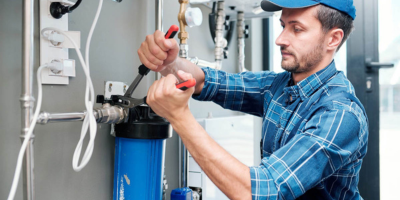
Installing a full system felt overwhelming at first. I’m not a plumber. I’m barely a DIY person unless IKEA instructions are involved. But once I sat down with a local water pro, it got a lot simpler.

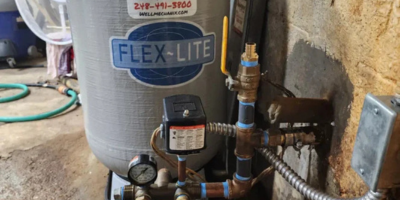
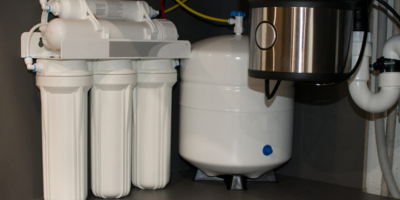
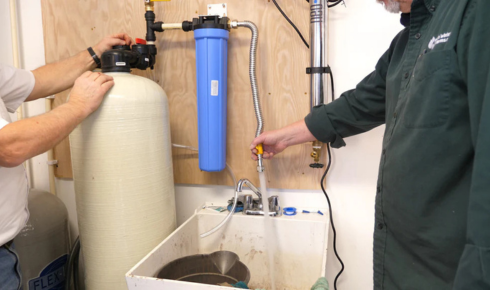
We looked at our family’s usage, the layout of the house, and our water test results. No sales pitch. No pressure. Just real advice. We settled on a whole-house filtration unit that filtered sediment and chlorine at the entry point, plus an under-sink system for drinking and cooking water.

The crew had it up and running in less than a day. The difference? Immediate. Our water tasted better, showered better, even felt better.


The Soft Water Surprise

Here’s something I didn’t expect: the soft water effect.

We added a soft water setup as part of the system since our hardness levels were off the charts. I thought it’d be a minor bonus—something that’d maybe keep our fixtures cleaner.

Turns out, soft water is a vibe. Our skin started feeling smoother. Towels came out fluffier. The dishwasher didn’t need a second rinse cycle. And weirdly enough, our shampoo lasted longer. I guess when soap actually lathers, you don’t need to use half a bottle to feel clean.

That part was a genuine surprise. Soft water wasn’t just a technical improvement—it was a comfort upgrade.


Long-Term Perks That Just Keep Coming

A few months in, I noticed something subtle but important: less stress.

No more scrubbing the sink three times a week. No more second-guessing the water my kids drink. No more debating whether to lug bottled water home or just risk it with the tap. Our appliances are running better, and the water heater? It’s quieter, which apparently means it’s not fighting off mineral deposits anymore.

Plus, the whole setup is low-maintenance. I swap a filter every few months and do a quick system check. That’s it.


The Bottom Line: Don’t Settle for “It’s Fine”

If your water tastes a little funny, leaves residue, or just makes you feel meh, don’t ignore it. It’s not about being fancy—it’s about being comfortable, confident, and a little bit healthier.

You don’t have to go all-in tomorrow. Start by finding a local company and asking for a water test. Explore your options. Let someone guide you who’s been through it. Don’t be afraid to ask dumb questions (I had plenty).

Good water isn’t some luxury. It’s basic. Fundamental. And trust me, once you have it, you’ll wonder why you ever put up with anything less.

So go ahead—give your glass a second look. It might be trying to tell you something.

From Drab to Dream: How One Kitchen Redo Changed Everything

0

There’s something magical about a kitchen. It’s not just where meals are made—it’s where stories are told over morning coffee, where late-night snacks turn into heart-to-hearts, and where everyday life just happens. And when that space doesn’t feel quite right, it weighs on you more than you realize.

A couple of years ago, I stood barefoot in my outdated, overstuffed kitchen, wondering if I could keep pretending I didn’t care. The drawers jammed, the colors clashed, and don’t get me started on that chipped tile countertop. It didn’t feel like “me” anymore. So I did the scariest thing: I started tearing it all down—not just the space, but my entire mindset about what home should feel like.

That journey? It taught me a lot. If you’re standing where I once stood, dreaming of a new start, here’s what I’ve learned—no fluff, no jargon. Just real talk about how to make your kitchen remodeling experience truly worth it.


Start With What You Feel, Not Just What You See

You’ll find a million Pinterest boards shouting at you about open shelving and subway tiles (guilty, I pinned them all). But before you copy anyone else’s kitchen, ask yourself: What do I want to feel when I walk in here?

Cozy? Sleek? Bright and energizing? Knowing that changes everything. It shifts your decisions from reactive to intentional. Suddenly, you’re not following a trend—you’re building a space that fits your actual life, not someone else’s highlight reel.


Storage Is Sexy—Seriously

This may sound boring, but it’s the truth: smart storage makes or breaks a kitchen. I underestimated it. I thought a few more drawers and a lazy Susan would solve everything. Spoiler: they didn’t.

What made the biggest impact? Investing in custom kitchen cabinets. Not the pre-fab stuff you see in catalogs, but cabinets designed specifically for how I cook, store, and live. From hidden spice drawers to a sneaky charging station, every square inch finally earned its keep.

These aren’t just cabinets—they’re quiet problem-solvers. And trust me, your future self (and your countertops) will thank you.


Function Isn’t Boring—It’s Freedom

Let’s talk layout for a second. No matter how cute your kitchen looks on Instagram, if you’re bumping elbows or dodging cabinet doors just to make a sandwich, it’ll drive you nuts.

A good modern kitchen design isn’t just about the shiny things (though, hey, quartz counters do make me swoon). It’s about the flow—the way your fridge, stove, sink, and prep space all talk to each other. It’s intuitive, not accidental.

I worked with a designer who asked me more about my routines than my color preferences. At first, I thought it was odd. Then I realized: she was designing for how I live, not just how I scroll. That changed everything.


Budget Honestly (And Add 20%)

I’ll be real with you: remodeling isn’t cheap. But pretending you can pull it off with elbow grease and $800 from a holiday bonus? That’s a fast track to tears and frozen dinners.

Get multiple quotes. Research like a detective. Then pad your budget—because surprises will happen. And don’t be ashamed to spend on what matters to you. Maybe that means splurging on lighting or better flooring. Maybe it’s all in the faucet. That’s your call.

At the same time, know where to cut. Do you really need imported tile, or can you find a gorgeous alternative closer to home? Keep your priorities close and your ego in check.


Don’t Chase Perfection—Chase Comfort

Here’s the thing: no remodel is ever truly “done.” There will always be a smudge on the backsplash or a drawer that squeaks just enough to bug you. But that’s okay.

What matters is whether your kitchen makes you smile on a sleepy Monday morning. Whether it holds your family, your mess, and your stories without judgment.

A kitchen isn’t a showroom. It’s a working, breathing heart of the home.

So, forget perfection. Aim for comfort. Make space for laughter. Add a rug that doesn’t match. Choose that orange kettle because it makes you happy. The best kitchens aren’t flawless—they’re lived in, loved on, and unapologetically you.


Final Bites of Wisdom

If you’re still hesitating, I get it. Remodeling feels overwhelming. There are too many decisions, too many dollars, and too much dust. But here’s what I’ll say: you don’t need to do it all at once. Start with one corner. Paint one wall. Change one cabinet handle.

Why the Middle Market Matters: Real Strategies, Real Results in Modern Corporate Finance

0

There’s this sweet spot in the business world that doesn’t always get the spotlight — too big to be “small business,” too modest to make Wall Street headlines. It’s the middle market. Think of those businesses with $10 million to $1 billion in annual revenue — the kind that power local economies, drive innovation, and keep whole communities employed. But when it comes to strategic financial moves, they’re often stuck in a strange place: not quite big enough to afford billion-dollar consultants, not quite small enough for DIY strategies.

This is where the conversation around middle market deals really kicks in. These aren’t just smaller versions of mega-mergers. They come with their own rhythm — more complex than you’d expect, with unique needs and timelines. And while the headlines are usually about massive acquisitions, it’s often in these mid-sized transactions that you’ll find some of the most creative structuring and real financial storytelling.

Let’s say you’re running a family-owned manufacturing firm and looking at a generational transition. Maybe you’re eyeing a partial sale to a private equity group or a strategic partner. You’re not just moving numbers around — you’re preserving legacy, managing team expectations, and navigating a tightrope of risk and opportunity. It’s personal. And it’s precisely where good advisory becomes more than just useful — it becomes essential.

Now, toss in today’s economy — a little volatile, a little unpredictable, sprinkled with post-pandemic aftershocks and geopolitical curveballs. Suddenly, knowing how to move in the market isn’t just about savvy — it’s survival.

Enter the world of capital markets advisory, a space that blends high-level strategy with on-the-ground execution. This isn’t just about raising money; it’s about knowing when, where, and how to raise the right kind of money. Public or private debt? Equity recapitalization or mezzanine financing? Convertible notes or plain vanilla bonds? These are not decisions you want to make on a hunch or with outdated info from an MBA textbook.

What solid capital markets advisors bring to the table is a compass in a foggy sea. They read the room — and the room, in this case, is a complex global economy with interest rate shifts, regulatory changes, and unpredictable investor sentiment. They don’t just find funding — they craft narratives that investors actually believe in.

But that’s not where it ends. Because even after the deal’s done or the capital’s raised, businesses still have a long road ahead. That’s where corporate finance support plays a bigger role than most people realize. We’re talking ongoing forecasting, cash flow management, scenario planning, and helping leadership understand the real implications of financial decisions — not just what looks good on paper.

It’s like having someone in your corner who not only knows how to throw the punch but also when to duck, when to breathe, and when to step back and rethink the strategy.

And here’s the thing: the middle market is often underestimated in terms of complexity. People assume that because the transactions are smaller in size, they’re simpler. The reality? Many middle-market companies operate with lean teams, limited bandwidth, and immense pressure to perform. So, while they might not have in-house M&A departments or a suite of analysts at their disposal, their decisions are no less significant.

They still need sophisticated modeling. They still need real-time insight. They still need access to buyers, lenders, and partners — ones who aren’t just “available,” but aligned with their goals. And they need partners who understand the emotional side of business. Because at this level, owners aren’t just shareholders — they’re the founders, the visionaries, the people with everything on the line.

That’s why middle market-focused financial advisory services aren’t just a scaled-down version of enterprise-grade consulting. They’re something else entirely. It’s an art form that blends technical knowledge with soft skills, agility with structure, and ambition with humility.

So, what’s the takeaway?

If you’re in the middle market, don’t settle for the sidelines. Your business deserves strategic depth, not just surface-level guidance. Whether you’re buying, selling, restructuring, or raising — make sure the team helping you understands more than just numbers. They should understand you.

Because while the deal might close on paper, the real work — the legacy, the future, the risk — lives on long after. And the right partner? They’ll be there not just to celebrate the wins, but to help navigate the hard calls, the missed forecasts, and the last-minute pivots.

This isn’t about playing in the big leagues or pretending to be something you’re not. It’s about owning your lane — and realizing that the middle market? It’s not the middle ground. It’s the center of some of the most exciting, challenging, and rewarding business stories out there.

When the Heat’s Off in the Kitchen: Real Talk About Cooktop and Stove Repairs in Birmingham, AL

0

There’s a peculiar kind of frustration that settles in when your kitchen appliances go rogue. You’re prepped and ready to throw together your signature pasta sauce, maybe a quick stir fry, and just as you reach for the burner—nothing. No click, no flame, no heat. Just a cold, stubborn reminder that even the most trusted cooktops have bad days. If you’re in Birmingham, AL, and find yourself dealing with this kind of culinary betrayal, you’re definitely not alone.

Let’s talk real kitchen woes—and what you can do when the heart of your kitchen skips a beat.


The Modern Kitchen Dilemma: When Tech Meets the Stove

Back in the day, fixing a stove meant pulling out a wrench and maybe a paperclip. These days? Touch controls, digital sensors, and induction magic have made things a little more…sophisticated. Sure, sleek and smart is great when it’s working. But the moment it doesn’t, you’re staring down a sea of troubleshooting guides and vague error codes.

That’s where Birmingham AL cooktop repair professionals step in. Not just handymen with tools, but people who understand the quirks of GE, Bosch, Whirlpool, Samsung—you name it. They’ve seen cracked glass tops, unresponsive touch panels, and coils that simply won’t heat, no matter how many times you whisper sweet nothings to them.


The Burner That Cried Wolf

We’ve all had that one burner. The one that works—except when it doesn’t. One day it’s blazing hot; the next, it’s cooler than a porch swing in January. This kind of inconsistency might seem minor at first (you just switch to a different burner, right?). But over time, it messes with your cooking rhythm, your timing, and let’s be honest, your sanity.

A reliable Birmingham AL stove burner fix service doesn’t just tinker around—they diagnose. It might be a faulty switch, a loose connection, or a burner element that’s given up the ghost. And instead of guessing and replacing parts that may or may not be the issue (looking at you, DIY YouTubers), these pros come in with diagnostic tools and actual know-how.


Signs Your Stove Isn’t Just “Being Moody”

It’s easy to brush off appliance weirdness. “Eh, it’ll work tomorrow.” But here’s a heads up—when your cooktop starts acting like a rebellious teenager, it’s probably time to pay attention.

  • Burners take forever to heat—or don’t heat at all
  • Unusual clicking, sparking, or buzzing
  • The surface stays hot even when it’s off
  • Cooking unevenly (think scorched eggs on one side, raw on the other)
  • Control knobs that feel loose or unresponsive

These aren’t “wait and see” issues. They’re safety flags, and they can escalate into real hazards. Trust me, nobody wants a fire scare in the middle of taco night.


Maintenance Matters More Than You Think

Here’s something most folks in Birmingham don’t think about until it’s too late: stove and cooktop maintenance. Not glamorous, not exciting—but incredibly necessary. We tend to think of our appliances as set-it-and-forget-it tools. They’re not. Grease buildup, debris under the knobs, clogged gas ports—these silent culprits wear down your equipment long before anything visibly breaks.

Routine Birmingham AL cooking appliance maintenance can catch all that. It’s like giving your stove a check-up. You’ll extend its life, avoid surprise breakdowns, and let’s be honest, feel like a responsible adult for once.


When to Repair, When to Replace

A lot of folks get stuck in the “Is it worth fixing?” loop. And fair—it’s a legit question. If your stove is over 15 years old and parts are harder to find than parking at Railroad Park on a sunny Saturday, replacement might be smarter. But newer appliances, especially high-end models, are often well worth the fix.

A seasoned technician won’t push one way or another. They’ll assess your specific situation, give you the breakdown, and let you decide—without the upsell.


Finding Someone You Can Trust

In a city the size of Birmingham, repair services aren’t exactly scarce. But finding one that shows up on time, respects your home, and doesn’t treat you like a walking invoice—that’s the real gem. Look for companies with solid reviews, transparent pricing, and technicians who actually explain things without drowning you in jargon.

Word-of-mouth still matters. Ask your neighbors. Ask your mom. (Actually, especially ask your mom—she probably knows the best tech in town.)


Final Thought: Your Kitchen Deserves Better

Let’s face it—your stove has been there through late-night cravings, Sunday meal preps, and more burnt toast than you care to admit. It deserves a little TLC. Whether it’s a full-on repair, a burner swap, or just a thorough maintenance check, getting it back in shape isn’t just smart—it’s sanity-saving.

Stepping Into Elegance: Why Iron Doors Are More Than Just an Entrance

0

Let’s be honest—most people don’t spend a lot of time thinking about their front door. But maybe they should. Because when it comes to curb appeal, security, and timeless design, the right door isn’t just an entrance. It’s a statement. And few statements are as bold, graceful, and downright enduring as a well-crafted iron door.

I remember walking past an old villa in Savannah last spring. The house was modest, but the entry? Two towering black iron doors with intricate scrollwork that looked like something from a European palace. It stopped me in my tracks. The sunlight hit the iron just right, casting delicate shadows on the stone porch. That’s when I realized—double iron doors aren’t just architectural elements. They’re emotional triggers. They evoke strength, luxury, and permanence in a world that moves too fast.

Ironwork That Tells a Story

There’s history in wrought iron. It’s been used in architecture for centuries—sometimes in ornate gates guarding ivy-draped estates, other times in the frame of quiet cathedral doors. Iron doesn’t chase trends. It just lasts.

Today’s iron doors blend old-world charm with new-world precision. Powder-coated finishes. Thermal breaks for energy efficiency. Integrated glass panels that swing open for airflow without compromising security. This isn’t your grandpa’s rusty garden gate—it’s a modern-day marvel.

And speaking of charm, there’s something quietly poetic about arched iron doors. That gentle curve at the top softens the weight of the metal, adding a dash of European romance. Perfect for Mediterranean-style homes or Spanish Colonial revivals. But they work just as well on a rustic mountain lodge, too. It’s that shape—a subtle nod to cathedrals and castles—that makes even a modest home feel just a bit… regal.

More Than Just Looks

Sure, they’re beautiful. But iron doors are also practical. Steel might boast strength, but iron holds its own—and adds a sense of refinement steel can’t match. And with proper sealing and finishing, today’s iron doors stand up to the elements better than most wood or fiberglass counterparts. Rain, sun, wind—they’re unfazed.

Let’s talk security for a second. A solid iron door doesn’t just look intimidating—it is. Burglars take one glance and usually keep walking. Many models include tamper-proof hinges, reinforced locks, and insulated glass. Translation: peace of mind, wrapped in style.

And they’re surprisingly customizable. Want a monogram? Frosted glass? A vintage patina? That’s the beauty of handcrafted work—it bends to your taste. Whether you’re going for classic or cutting-edge, there’s something uniquely yours in the world of custom ironwork.

The Modern Twist

You might think iron doors are strictly traditional. Think again. Today’s designers are reimagining them for contemporary spaces—and the results are stunning.

Clean lines. Matte black finishes. Slim profiles. Modern iron doors are having a moment, and it’s easy to see why. They’re minimalist without being cold. Sturdy without feeling heavy. In an age where “less is more,” these doors say plenty without shouting.

Picture this: a modern desert home with concrete walls, sharp geometry, and one massive iron pivot door with vertical glass inserts. It’s art. It’s function. It’s the perfect mix of old material and new design ethos. And it works just as well in urban lofts as it does in sleek mid-century revivals.

Maintenance: Easier Than You’d Think

People often assume iron means constant upkeep. Not really. With today’s powder coating and rust-resistant treatments, you’re looking at a simple cleaning every so often. No sanding, no restaining—just a little wipe-down and maybe a touch-up here and there if you live near salt air.

One small tip? If your door has glass, clean it with a soft cloth and vinegar solution—no harsh chemicals. And if your home is older, you might want to check the threshold for proper fit. Otherwise, installation is pretty straightforward, especially if you’re working with an experienced contractor.

Final Thoughts (That Aren’t Final at All)

There’s something deeply satisfying about investing in something that won’t fade, won’t bend to every passing trend, and won’t let you down when the weather turns or the years pass.

Iron doors aren’t just about curb appeal. They’re about identity. They say: this home matters. What’s behind this door matters. And maybe—just maybe—so does what lies ahead.

Getting It Straight: The Real-World Need for Better Alignment Gear in Your Garage

0

Let’s face it—if you’ve ever taken a wrench to your ride, you know that “good enough” doesn’t cut it when it comes to suspension and alignment. You can have the grippiest tires, the sharpest brakes, and a rock-solid chassis, but if your wheels aren’t aligned just right, everything falls flat. We’re talking uneven tire wear, twitchy steering, and that annoying sideways tug down the highway. That’s where the unsung heroes of the alignment world come in—those small but mighty parts like bushings, brackets, and bolts.

Yeah, it’s not the sexy side of automotive talk. But it’s the stuff that keeps your setup tight, your control crisp, and your tires from screaming for mercy.

The Little Part with Big Impact

One of the most overlooked upgrades in a suspension setup? Caster camber bushings. These humble components are what let you fine-tune the angle of your wheels relative to the chassis—basically, they’re the pivot point that makes your alignment adjustable. Why does that matter? Because every car—and every driver—is different. Maybe you’re chasing better turn-in response on your track build, or maybe you’re just trying to correct some geometry after lowering your daily. Either way, adjustable bushings give you that control.

Thing is, bushings take a beating. Road grime, heat cycles, torque stress—it all adds up. So when you’re upgrading, don’t cheap out. Look for quality materials, whether it’s polyurethane for firmness or even adjustable metal-core designs for precise tweaks. And don’t forget—upgrading bushings isn’t just for performance junkies. Even folks doing a basic suspension refresh can see a big difference in ride stability and tire wear.

Don’t Underestimate the Hardware

Now here’s where we usually roll our eyes: mounting hardware. Sounds boring, right? But hear me out.

You know those bolts and brackets you set aside when you’re upgrading your struts or bushings? The ones with rust, grime, and god-knows-how-old torque values? Yeah, those. Reusing old hardware can mess up torque settings, loosen over time, and worse—throw your alignment off even after a fresh tune. You can spend hours dialing in your specs just to have it slip out of true because a bolt wasn’t holding its own.

Fresh, purpose-built hardware kits are cheap insurance. Especially ones that come with locking nuts or corrosion-resistant coatings. You don’t want to second guess your install every time you hit a pothole. And let’s be honest—torquing a new bolt to spec just feels better. Like a job done right, not just patched together.

Wheel Alignment Isn’t Just a Shop Thing Anymore

Here’s the deal. Alignment used to be one of those things you left to the pros, but not anymore. With digital tools and laser alignment kits becoming more affordable, more garage warriors are dialing in toe, camber, and caster at home. Which is awesome… until you realize how many variables go into getting that perfect setup. That’s why having reliable, precise wheel alignment hardware matters more than ever.

Think about it: You’re trusting a handful of bolts and adjustment plates to hold your carefully measured specs in place at 75mph down the freeway. There’s zero room for flex, slippage, or “it’ll probably hold.” That’s why it’s worth investing in proper alignment kits that don’t just fit—but actually perform under load. No slop. No wiggle. Just confidence.

A Little Time, A Lot of Payoff

People think upgrades have to be flashy to be worth it—coilovers, big brake kits, carbon wings. But the truth is, some of the most rewarding changes are the ones you don’t even notice after the install—because everything just works. Your car tracks straight. Steering feels planted. Tire wear evens out. That’s the silent magic of well-done alignment hardware.

And here’s a tip for the weekend wrenchers: document your adjustments. Write down your camber settings. Note what bushing slot you used. Take a photo before and after. It might seem overkill, but it saves a ton of guesswork next time you’re chasing a weird pull or dialing in a new suspension setup.

Wrapping It Up: Don’t Skip the Details

It’s easy to fixate on big mods. But anyone who’s built a reliable, dialed-in ride knows the devil’s in the details. Alignment isn’t just about getting back in spec after a mod—it’s about making the car feel right. Trustworthy. Sharp. Predictable. And the right gear—whether it’s caster camber bushings, fresh mounting hardware, or dependable wheel alignment hardware—makes all the difference.

Turning the Tap on Comfort: How Better Water Changed the Way We Live

0

Water. It’s one of those things you don’t really think about until you have to. You drink it, cook with it, bathe in it. It’s part of your life in the background—until something makes you stop and wonder if what’s coming out of the faucet is actually doing you more harm than good.

For us, that moment came gradually. It started with dry skin after showers, a weird film on dishes, and this sharp chemical tang in every glass of water we drank. I guess we just got used to it for a while. But the day I made a cup of tea and it tasted like a public pool? That was it. Game over.

We decided to take control and give our home a proper water overhaul—starting with RO water line installation and building up from there.


A Taste of the Problem

At first, I thought maybe it was just us being picky. I mean, our town’s water passed the basic health checks. But that lingering chlorine smell and the constant fight with mineral buildup in our shower told a different story.

We tried the usual quick fixes. You know, fridge filters, water pitchers with tiny cartridges that barely last a month. Nothing really changed. And I started to realize—if I wouldn’t pour that water into my toddler’s sippy cup without hesitation, it was time to stop compromising.


RO to the Rescue

Reverse osmosis had been on my radar for a while, but it always seemed like a “someday” kind of purchase. Something fancy that other people had. But after a bit of research (and some real talk with a plumber friend), we realized it was more attainable than we thought.

The RO water line installation went smoother than I expected. Clean setup under the sink, a sleek little spout next to the main faucet, and suddenly we had water that tasted the way water should taste—like nothing at all. Crisp, neutral, refreshing.

No more chlorine aftertaste. No more bottled water. Just clean, reliable hydration at the push of a handle. My coffee even started tasting better. Who knew?


Going Bigger: The Case for Whole-Home Comfort

Once we upgraded our drinking water, the rest of the house felt… neglected. The tap water still dried out our skin and hair. Our washing machine still left clothes feeling scratchy. The dishes still spotted up like they’d just survived a sandstorm.

That’s when we decided to add a soft water unit to the setup. And let me tell you—if you’ve never showered in soft water before, it’s like leveling up your entire self-care routine. Everything feels smoother. Shampoo lathers up like a spa commercial. Even my husband noticed (and he’s not exactly Mr. Skincare).

Plus, we started using less soap, less detergent, and less effort scrubbing hard water stains off every surface. The softener didn’t just improve our water—it made cleaning easier and extended the life of every appliance that used it.


Cutting the Chemicals at the Source

One of the biggest wins, though, came from installing a dedicated chlorine removal system. We didn’t want chlorine anywhere—in our laundry, in our showers, or in the air we breathed every time the faucet ran hot.

It’s easy to forget that chlorine is essentially bleach. Great for sanitizing city water, not so great for human skin. Since adding this system, our home smells different. It feels different. I don’t get that itchy sensation after a shower anymore. My son’s eczema calmed down noticeably. Even the dog’s coat is shinier—go figure.


Small Shifts, Big Impact

It’s funny how something as basic as water can affect so many areas of your life. We didn’t realize how much effort we were putting into compensating for poor water quality—buying lotion to battle dry skin, scrubbing stains from sinks, replacing kettles every year.

Now? We just… live. The water does what it’s supposed to do, quietly and efficiently. And that peace of mind is worth every penny we spent.


Real-Life Takeaways

If you’re on the fence about upgrading your water system, here’s my advice: listen to the little signs. The scale on your showerhead. The weird taste in your tea. The itchy skin that won’t go away. They’re all whispering the same thing—it’s time for a change.

Start small with an RO system. Then look into softeners and chlorine filtration as your budget allows. You don’t have to do it all at once. But once you do? You’ll wish you’d done it years ago.


Closing Thoughts

Water is a daily part of our lives—so common we barely notice it. But when it’s right, everything else feels a little better too. Your home is cleaner. Your body is happier. Your mornings start smoother.

So here’s to better showers, better coffee, and better peace of mind. Because once you’ve felt the difference clean water makes, you’ll never settle for less again.

Cleaner Water, Healthier Home: Why Southern California Is Rethinking Tap Water

0

Let’s face it — most of us don’t think twice about the water running from our taps. We fill glasses, cook dinner, maybe run a bath, and assume it’s all perfectly fine. But is it? In Southern California, where droughts and industrial contamination have raised eyebrows more than once, people are starting to ask tougher questions about what’s really in their water. And they’re finding answers in smarter, healthier home filtration options.

That’s where the story really gets interesting.


When “Clean” Isn’t Clean Enough

If you’ve ever noticed a faint metallic taste in your tap water, or spotted strange white film on your glasses after running the dishwasher, you’re not alone. These aren’t just odd quirks — they’re signs of hard water minerals, possible sediment, or even trace contaminants sneaking past municipal treatment plants. Cities do a decent job, sure, but they’re working on massive scales with varied infrastructure. The result? “Safe” by regulation, but not always ideal by personal standards.

People aren’t being paranoid — they’re being proactive.

That’s why more families are turning to systems with multi-stage RO filtration. Unlike simple carbon filters or faucet-mounted gadgets, these advanced setups go deeper. They typically push water through several filters — sediment pre-filters, carbon blocks, reverse osmosis membranes, and polishing filters — all working together to remove everything from chlorine and heavy metals to microscopic impurities. The result? Crisp, clean water that actually tastes the way water should.


Water and Wellness Are More Connected Than You Think

We talk a lot about health — eating clean, going organic, using natural skincare — but how often do we look at the water we’re using every single day?

There’s been a noticeable shift in awareness lately. Parents are more cautious about what their kids drink, especially after headlines about lead contamination in schools. And homeowners are finally realizing that what’s coming out of their pipes isn’t always as pure as it looks. This shift is driving demand for a lead-free water system, which isn’t just a marketing buzzword — it’s a real commitment to long-term health.

These systems ensure that no lead from old solder, corroded plumbing, or local infrastructure ends up in your glass. And when combined with solid filtration, they give people genuine peace of mind.


Why EcoWater SoCal Is Getting All the Buzz

Here’s the thing — not all water companies are created equal. Some just want to sell you a filter and move on. But others? They actually care about what you’re drinking. That’s where EcoWater SoCal stands out.

This isn’t some giant, faceless conglomerate. They’ve built a reputation in the community for offering tailored solutions, honest advice, and — most importantly — systems that actually work. Whether you’re a family of four in Pasadena or a couple living in a Long Beach condo, they assess your water quality, usage needs, and budget before making recommendations. It’s not about upselling — it’s about getting it right.

The cherry on top? Their units are built to last and don’t require constant maintenance. And let’s be honest, no one wants to be messing with filters every few weeks.


It’s About More Than Taste — It’s a Lifestyle Choice

Cleaner water changes the way you live. It’s not just about flavor or clarity. It’s about less soap scum in the shower, softer laundry, better coffee in the morning, and less buildup in appliances like your kettle or humidifier. Small things, sure — but they add up.

More importantly, it’s about trust. Trusting that what you’re bathing your baby in is truly clean. Trusting that your morning smoothie isn’t quietly laced with traces of copper or chlorine. And yes, trusting that you’ve made a smart investment not just for your home, but for your family’s future.


Final Sip

Let’s not pretend water quality is some niche concern. In places like SoCal — with aging infrastructure, water scarcity, and real health risks — it’s become a front-and-centre topic in more households than ever before. And for good reason.

By rethinking what’s flowing through our taps, we’re not just demanding better water. We’re demanding better health, better sustainability, and better accountability.

The solution doesn’t need to be complicated. But it does need to be thoughtful — and built on trust, like the kind offered by EcoWater SoCal. Whether it’s through multi-stage RO filtration, a dedicated lead-free water system, or both, making this change is one of the simplest — and smartest — upgrades you can make for your home.

Because clean water shouldn’t be a luxury. It should be a given.

Inspired by Romance, Crafted with Passion and Care

0

In a world where jewelry tells the story of love, the creations of lily arkwright stand out as a perfect blend of inspiration and dedication. Each piece is a celebration of romance, brought to life through craftsmanship that honors both tradition and innovation. The journey from concept to creation is one fueled by passion and meticulous care, making every item not just an accessory, but a heartfelt expression of commitment and beauty.

Romance has long been a muse for artists and creators, and in jewelry design, it becomes a language of emotion expressed through precious metals and gemstones. The allure of lily arkwright’s work lies in its ability to capture this sentiment with grace and authenticity. The pieces are inspired by the timeless stories of love and connection, translating these feelings into tangible forms that can be cherished forever. This inspiration fuels the intricate designs, from delicate settings to bold statements, each one reflecting an intimate narrative.

Crafting jewelry with passion means more than just assembling materials; it involves an intimate understanding of the meaning behind each creation. The artisans behind lily arkwright bring years of experience and a deep respect for their craft to every stage of production. Their commitment to quality ensures that every curve, every setting, and every detail is executed with precision. This devotion transforms simple ideas into heirlooms that hold personal significance, ready to be passed down through generations as symbols of love’s enduring power.

Care is evident not only in the design and craftsmanship but also in the sourcing of materials. Ethical considerations and sustainability have become crucial in the jewelry world, and lily arkwright embraces these values wholeheartedly. Selecting responsibly mined gemstones and recycled metals is part of the process that honors both the environment and the customers who wear these pieces. This careful approach adds another layer of meaning to the jewelry, connecting the romance it represents to a broader respect for the world we live in.

The emotional resonance of jewelry crafted with passion and care is felt deeply by those who wear it. Whether it is an engagement ring, a wedding band, or a gift marking a special occasion, each piece is designed to evoke feelings of love and devotion. The meticulous attention to detail ensures that the jewelry becomes an extension of the wearer’s story, a constant reminder of meaningful moments and cherished relationships. This connection elevates the jewelry beyond aesthetics, making it a treasured keepsake.

Innovation and tradition coexist beautifully in the work inspired by romance and crafted with passion. Techniques passed down through generations meet modern design sensibilities, resulting in pieces that are both timeless and contemporary. This balance allows lily arkwright to appeal to a wide range of tastes while maintaining a signature style that is elegant and refined. The fusion of old and new also reflects the evolving nature of love itself—rooted in history yet always growing and adapting.Visit our blog for more Yearly Magazine.

In the end, jewelry that is inspired by romance and crafted with passion and care serves as a powerful symbol of human connection. It tells stories of affection, promise, and hope, all while showcasing the extraordinary skill and dedication of its makers. The beauty of such pieces lies not only in their appearance but in the intention behind them. Lily arkwright’s creations remind us that true artistry comes from the heart, and that the best jewelry is that which carries the essence of the love it represents.

Choosing jewelry from a collection born of such inspiration means embracing something special—an emblem of romance brought to life through craftsmanship that respects both tradition and innovation. It is a celebration of love that can be worn, admired, and treasured for a lifetime.

Solar Generators: The Future of Clean and Reliable Energy

0

In today’s eco-conscious world, energy efficiency and sustainability are more important than ever. As the demand for green energy solutions grows, solar generators have emerged as a reliable and environmentally friendly alternative to traditional fuel-based power sources. Whether you’re preparing for a power outage, planning a camping trip, or looking for an off-grid energy solution, solar generators offer an efficient way to keep your devices charged and appliances running.

What Is a Solar Generator?

A solar generator is a portable power station that uses solar panels to convert sunlight into electricity. This electricity is stored in a built-in battery, which can then be used to power various devices. Unlike gasoline generators, solar generators are silent, require little to no maintenance, and don’t produce harmful emissions, making them an ideal choice for indoor and outdoor use.

Typically, a solar generator consists of four main components:

  1. Solar panels – Capture energy from the sun.
  2. Battery – Stores the energy for later use.
  3. Charge controller – Regulates the voltage and current from the solar panels.
  4. Inverter – Converts stored DC power into AC power used by most household devices.

Advantages of Solar Generators

1. Environmentally Friendly

One of the most significant benefits of solar generators is that they produce clean energy. Since they don’t burn fossil fuels, they contribute to reduced air pollution and a smaller carbon footprint.

2. Cost-Effective

While the initial investment might seem high, solar generators save money in the long run. Once installed, sunlight is free. Unlike traditional generators, you won’t spend money on fuel, oil changes, or maintenance.

3. Portability

Many solar generators are compact and lightweight, making them perfect for outdoor adventures, RV trips, or emergency kits. They’re easy to transport and store, adding convenience to their list of benefits.

4. Quiet Operation

Unlike noisy gas generators, solar generators operate silently. This is particularly beneficial for campers, people living in quiet neighborhoods, or anyone who wants to avoid the constant hum of a fuel-based engine.

5. Low Maintenance

Solar generators have fewer moving parts and require minimal upkeep. There’s no need to worry about refueling or changing oil, which makes them a hassle-free power solution.

Popular Uses for Solar Generators

  • Emergency Backup Power: When the grid goes down, a solar generator can keep essential appliances and electronics running.
  • Outdoor Activities: Power your devices on camping trips, beach days, or remote work sessions.
  • Off-Grid Living: For those living in cabins or tiny homes without direct access to the grid, solar generators provide a sustainable power source.
  • Remote Job Sites: Construction workers and contractors in remote locations can use solar generators to power tools and lights.

Choosing the Right Solar Generator

When selecting a solar generator, consider the following factors:

  • Power Capacity: Determine how much wattage you need based on the devices you plan to run.
  • Battery Type and Size: Lithium-ion batteries offer longer life and lighter weight compared to lead-acid batteries.
  • Portability: Look for lightweight and compact designs if you plan to move the generator frequently.
  • Charging Options: Some solar generators also allow for AC wall outlet or car charging, offering flexibility when sunlight is not available.

Conclusion

Solar generators are changing the way we think about portable and emergency power. As solar technology continues to evolve, these systems are becoming more efficient, affordable, and accessible to the average consumer. They’re not just a backup solution—they’re a smart, sustainable investment in the future of energy.