
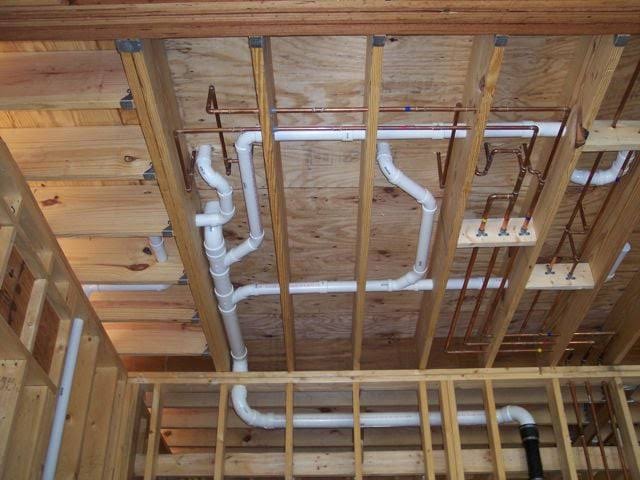
Older houses have a certain charm. The original woodwork, familiar architecture, and little details that give a property character are often worth preserving. The plumbing hidden behind those walls, however, might be another story.
Perhaps you’ve noticed rusty water coming from the bathroom faucet, inconsistent water pressure, or another leak appearing shortly after the previous one was repaired. At some point, constantly fixing individual pipes starts feeling like a losing battle.
Investing in home repiping services can help homeowners address widespread plumbing deterioration rather than continuing to spend money on temporary repairs.
While replacing household pipes is a significant undertaking, understanding the process and recognizing when it’s necessary can make the decision considerably less overwhelming.
Recognizing When Your Plumbing Is Showing Its Age
Pipes experience gradual wear just like other parts of a home. Depending on their material and surrounding conditions, they may develop corrosion, mineral buildup, or weakened connections.
Unfortunately, much of this deterioration happens behind walls or underneath flooring, where it remains unnoticed.
Frequent leaks are one of the clearest reasons to investigate further. Discolored water, unexplained pressure fluctuations, and persistent damp spots may also indicate problems within the plumbing system.
Imagine trying to enjoy a shower while someone washes dishes downstairs, only to discover that the water flow becomes disappointingly weak.
Restricted or deteriorating pipes could contribute to that experience, although other plumbing issues may produce similar symptoms.
A professional inspection can help determine whether your pipes are approaching the end of their useful life or whether a simpler repair would resolve the problem.
Understanding What Whole-House Repiping Actually Involves
The idea of replacing plumbing throughout an entire home can sound intimidating. Understandably, homeowners worry about construction work, water interruptions, and the possibility of damaged walls.
However, professional whole-house repiping generally involves carefully replacing aging hot and cold water supply pipes with suitable modern materials while minimizing unnecessary disruption wherever practical.
The process begins with assessing the existing plumbing layout and identifying appropriate routes for the replacement pipes.
Depending on the home’s construction, plumbers may access existing pipes through walls, ceilings, crawl spaces, or other accessible areas.
Once the new piping is installed, connections are checked and the system undergoes appropriate testing.
Some restoration work may be necessary afterward, particularly where drywall has been opened.
A dependable contractor should explain the anticipated disruption beforehand so homeowners can prepare accordingly.
Choosing Between Individual Repairs and Complete Replacement
Not every leaking pipe means your entire plumbing system needs replacing. Sometimes, an isolated repair is the most sensible and economical solution.
However, repeated failures in different areas of the house may indicate more widespread deterioration.
Planning plumbing pipe replacement becomes particularly worthwhile when repair expenses continue accumulating or when aging materials are causing persistent water delivery problems.
Consider how much you’ve spent addressing plumbing issues over the past few years. If you’re regularly paying for emergency calls, patch repairs, and water damage restoration, a comprehensive upgrade might offer better long-term value.
The decision shouldn’t be based exclusively on the age of your house, though.
Pipe material, overall condition, previous repairs, and professional inspection findings should all influence the recommendation.
Selecting Materials That Suit Your Home
Modern plumbing offers several piping options, each with its own advantages and practical considerations.
Copper remains a familiar choice because of its established history in residential plumbing and durability under suitable conditions.
PEX piping, meanwhile, offers flexibility that can make certain installations easier, particularly when navigating existing building structures.
Other approved materials may also be appropriate depending on local plumbing requirements and the property’s particular needs.
Water chemistry, temperature exposure, installation methods, and budget all deserve consideration.
Rather than choosing whichever material happens to be cheapest, ask your contractor to explain how each option would perform within your home.
You’re investing in infrastructure that will support everyday household activities for years. It’s worth making that decision carefully.
Preparing Your Household for a Repiping Project
Living through plumbing renovations doesn’t have to be an unpleasant experience, although a little preparation certainly helps.
Before work begins, discuss the project schedule and anticipated water supply interruptions with your contractor.
Move furniture and personal belongings away from areas requiring access. Clearing bathroom cabinets, kitchen storage spaces, and utility rooms can also make installation easier.
If you work from home or have young children, consider how construction noise and temporary interruptions might affect your daily routine.
Ask whether wall repairs and cleanup are included in the estimate, too.
Knowing exactly what’s covered can prevent misunderstandings once the plumbing work has been completed.
Enjoying the Benefits Beyond Fewer Leaks
Replacing deteriorating pipes may offer several practical improvements beyond reducing recurring plumbing failures.
Where restricted pipes caused poor water flow, appropriate replacement and sizing can help improve delivery to household fixtures.
Replacing internally corroded piping may also address certain discoloration problems originating within the home’s plumbing.
Perhaps the greatest benefit, though, is having fewer reasons to worry about unexpected leaks behind walls or beneath flooring.
New pipes won’t resolve every possible plumbing concern, but replacing genuinely deteriorated infrastructure can make everyday water usage considerably more dependable.
Giving Your Home a Stronger Foundation for the Future
Repiping isn’t the kind of renovation that visitors immediately notice. There aren’t beautiful new countertops to admire or freshly decorated rooms to show off.
Instead, the benefits appear in ordinary moments: a comfortable shower, reliable water flow, and fewer unexpected plumbing emergencies.
Start with an honest assessment of your existing system, explore suitable materials, and choose experienced professionals who explain their recommendations clearly.
Your home’s plumbing quietly supports almost everything you do. Giving it the attention it deserves can be one of the most practical investments you’ll make in your property’s long-term comfort and reliability.
